
If you’ve picked chokecherries for the first time and aren’t sure what to do with them, start here! I’ll show you how to make chokecherry juice — the base for old-fashioned jelly and syrup or traditional Wojapi.
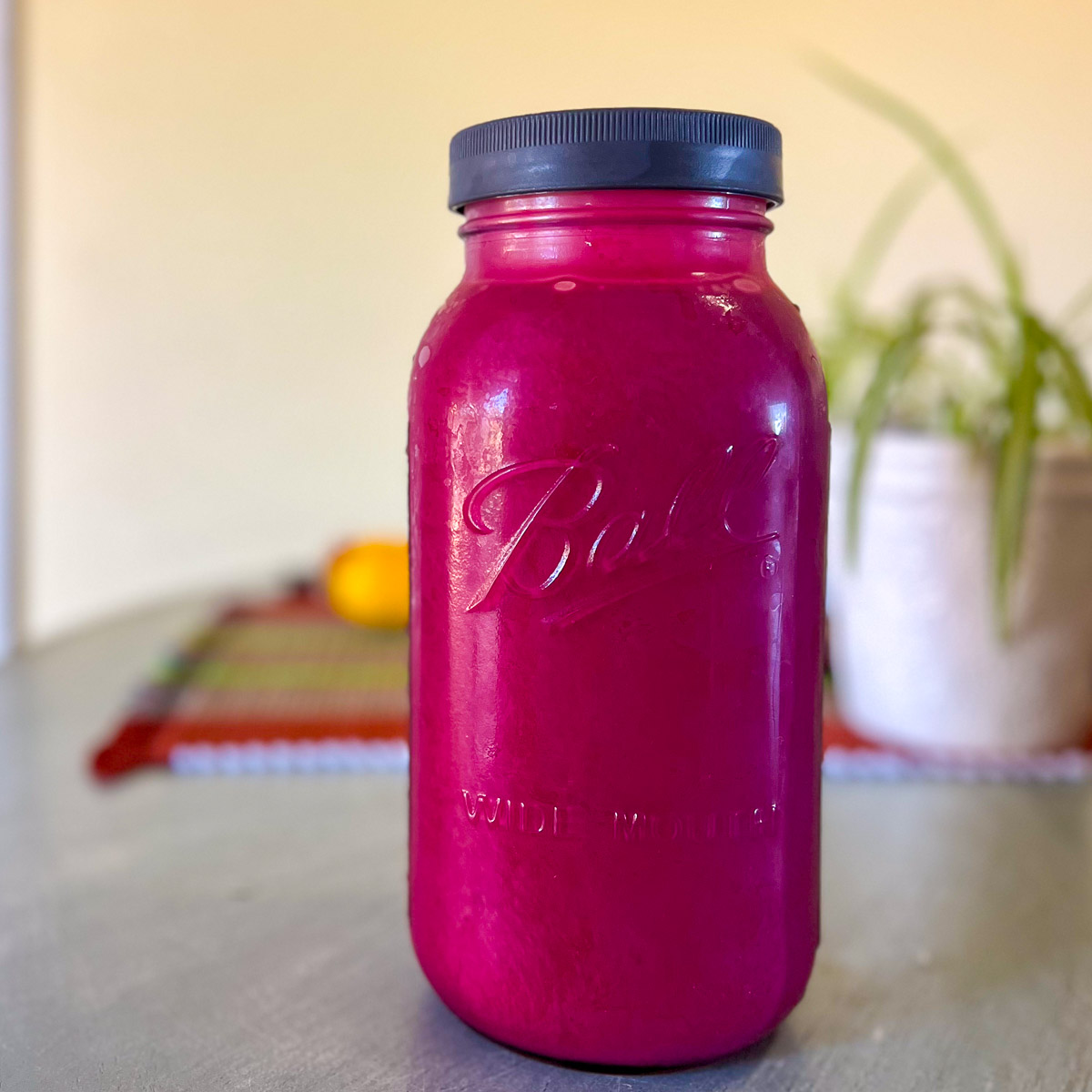
Chokecherries are from the chokecherry tree (Prunus virginiana), a small native American tree.
Across North America, these little fruits have long been an important traditional food. They have been gathered, cooked, and preserved in many ways.
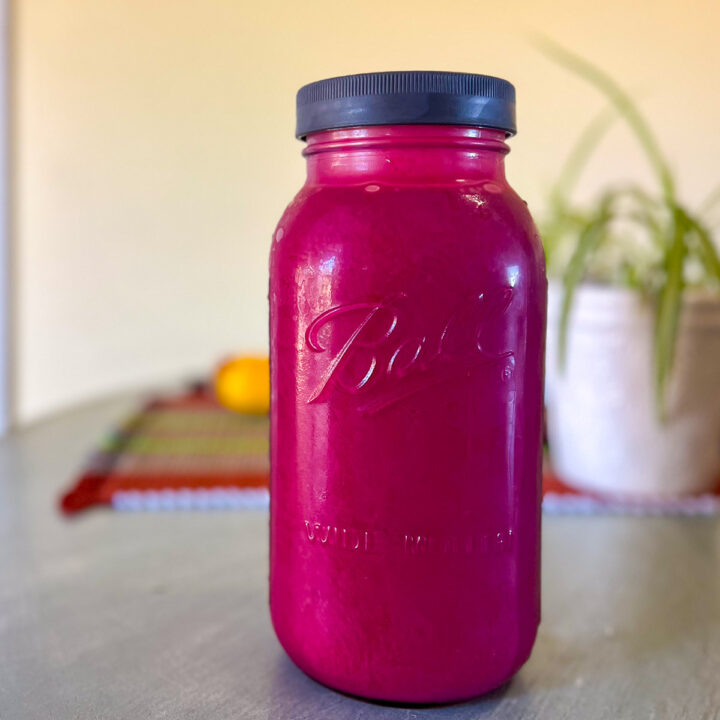
Making chokecherry juice is one of the simplest ways to enjoy them today, turning their delicious but sharp flavor into a smooth, magenta-purple juice - ready for jelly, syrup, or Wojapi!
If you love using wild fruits in the kitchen, try my foraged mulberry pie filling recipe for another simple and delicious way to preserve the season.
Jump to:

Identifying Ripe Chokecherries
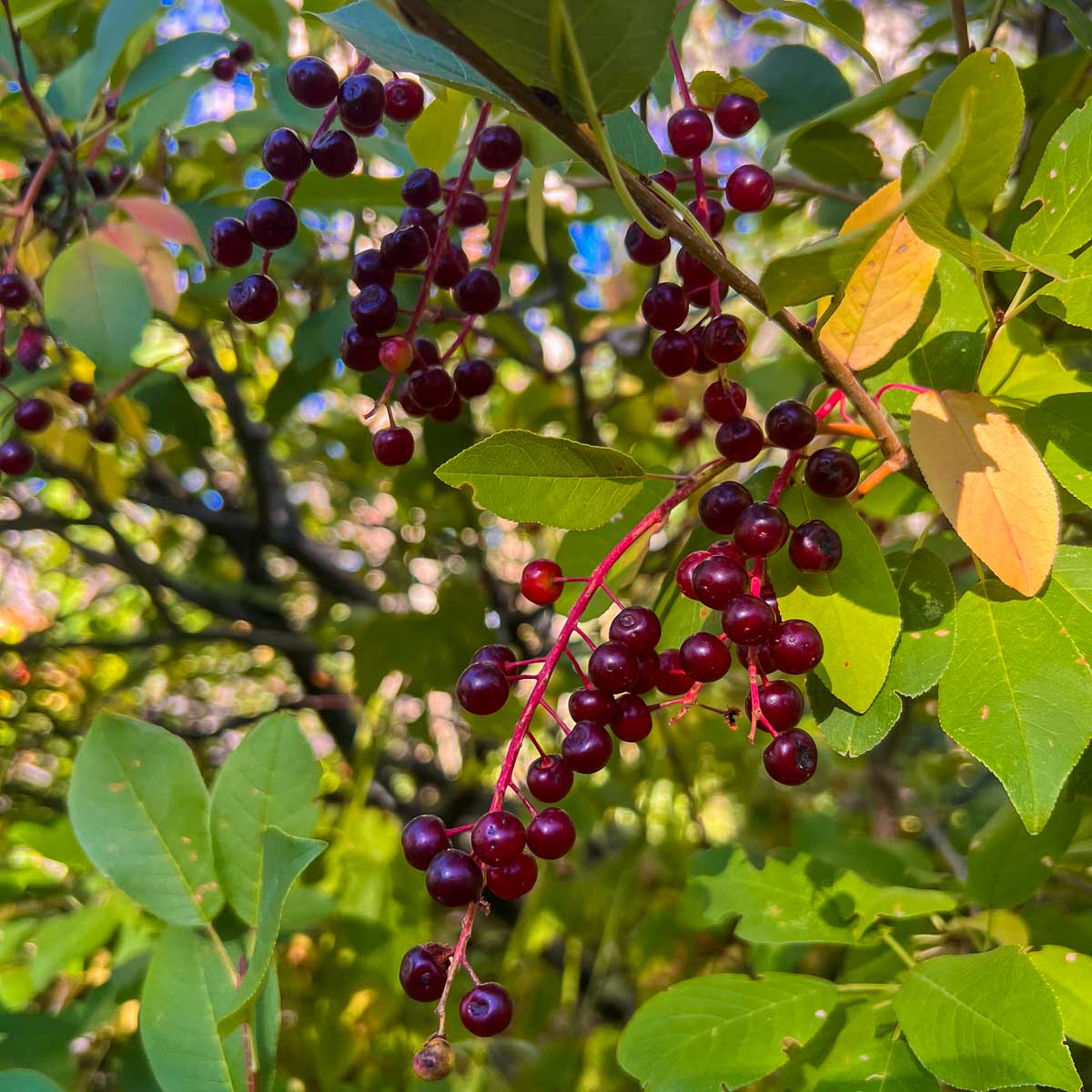
Common chokecherry is widespread across North America and closely resembles its cousin, the wild cherry.
It grows to a small to medium-sized, bushy tree with serrated, oval leaves. Small white flower clusters appear in spring to early summer, followed by drupes (cherries) that ripen from late summer into early fall. To Know the Land has a great overview on Chokecherries and identification.
When ripe, the cherries turn a deep purple-black and contain a single small stone. Ripe chokecherries are astringent, though some can be sweeter than others. Try one — just spit out the pit as you would with an orchard cherry!
How to Prepare Chokecherries for Juicing
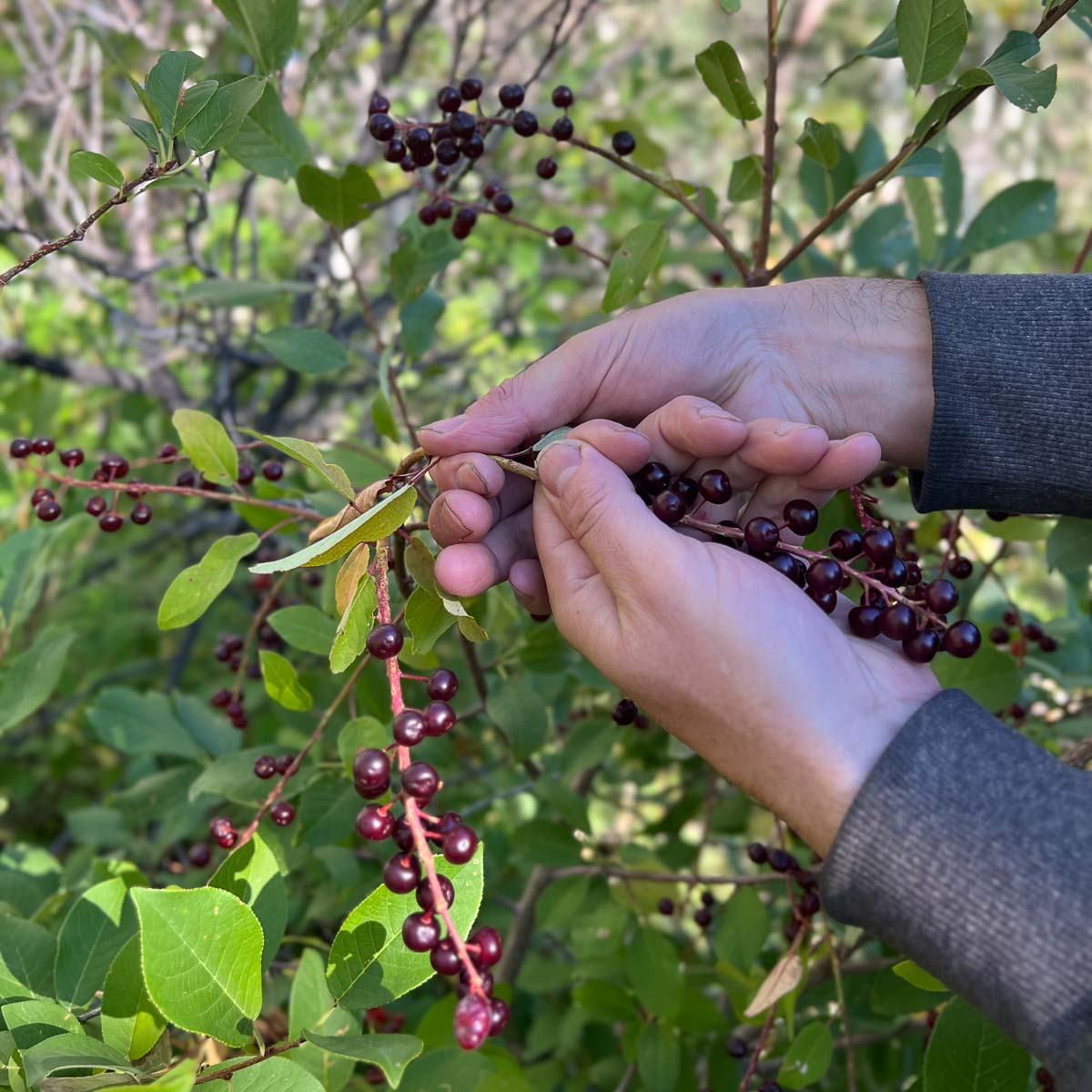
Once your chokecherries and sorted and cleaned, they are ready for juicing. No need to worry about removing the pit before boiling they will be strained out later.
- Remove large stems, leaves, sticks, any unripe or shriveled fruit.
- Rinse the fruit thoroughly and optionally measure out how much you are left with.

Equipment
- Large stockpot - I used my 8-quart Instant Pot since it had plenty of room for all my chokecherries, but use whatever fits the amount you have.
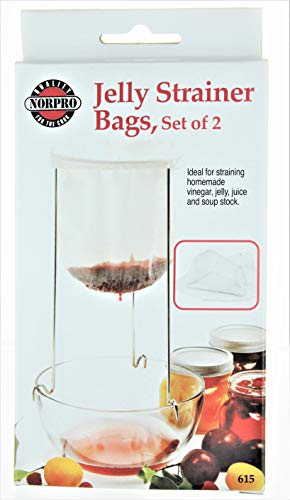
- Strainer - There are lots of options, and it depends on what you have on hand and how you plan to use your juice (see the Tips section below). I like to line a mesh strainer with a flour sack towel, but you can also use cheesecloth, a jelly bag, or another fine straining method. I didn’t have much luck with my food mill — the pits are just too big — but an old-fashioned cone strainer would likely work well.
- Potato masher or wooden spoon - Use this to gently mash cherries as they cook to help release the juice.
- Jar(s) - Mason jars works great to collect and store your finished juice.
Making Chokecherry Juice (Step-by-Step)
Yield: For every four cups or chokecherries you will make approximately 2 cups of juice.
Combine Chokecherries with Water
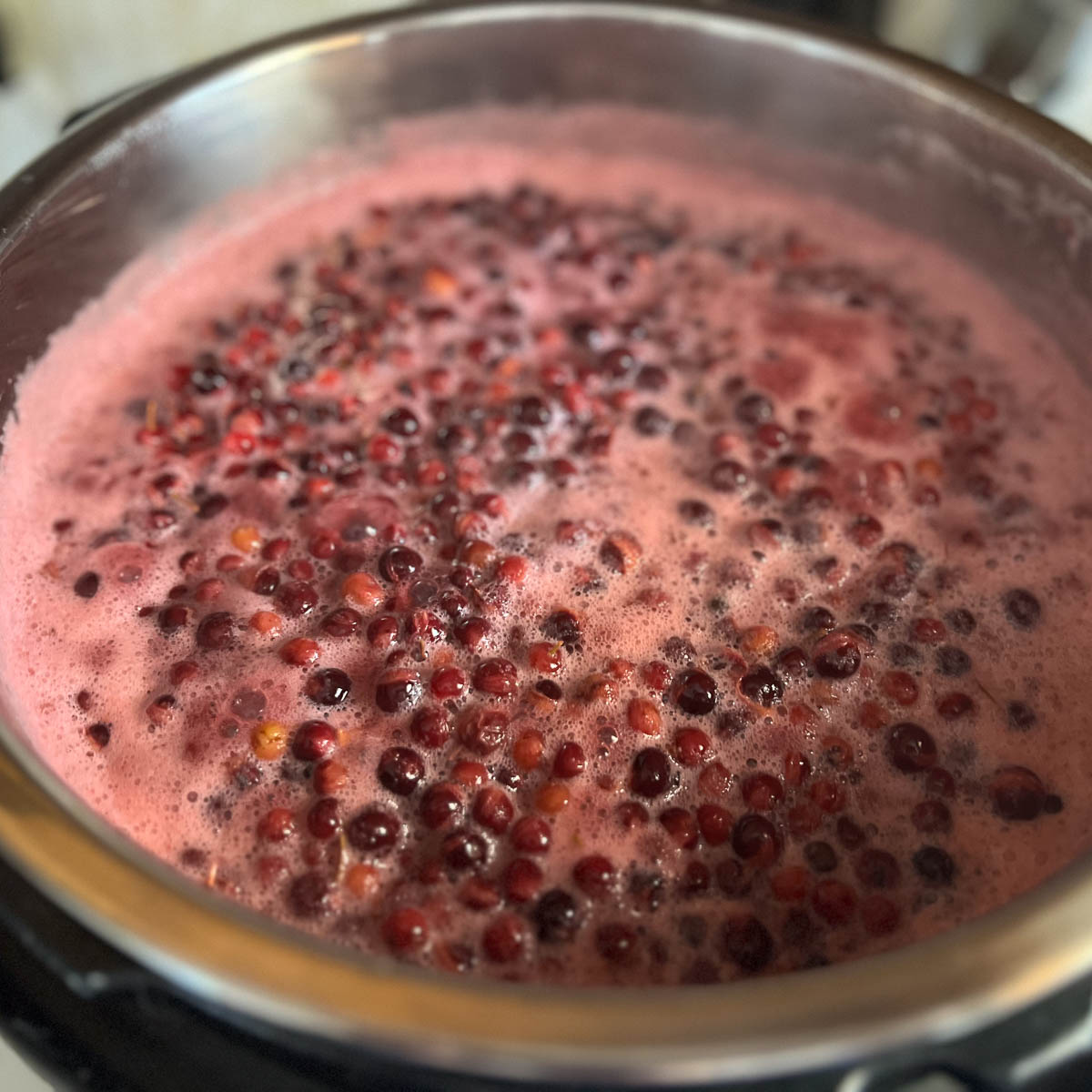
Place the chokecherries in a pot and add just enough water to cover the fruit. It is roughly 1 cup of water to every 4 cups of chokecherries.
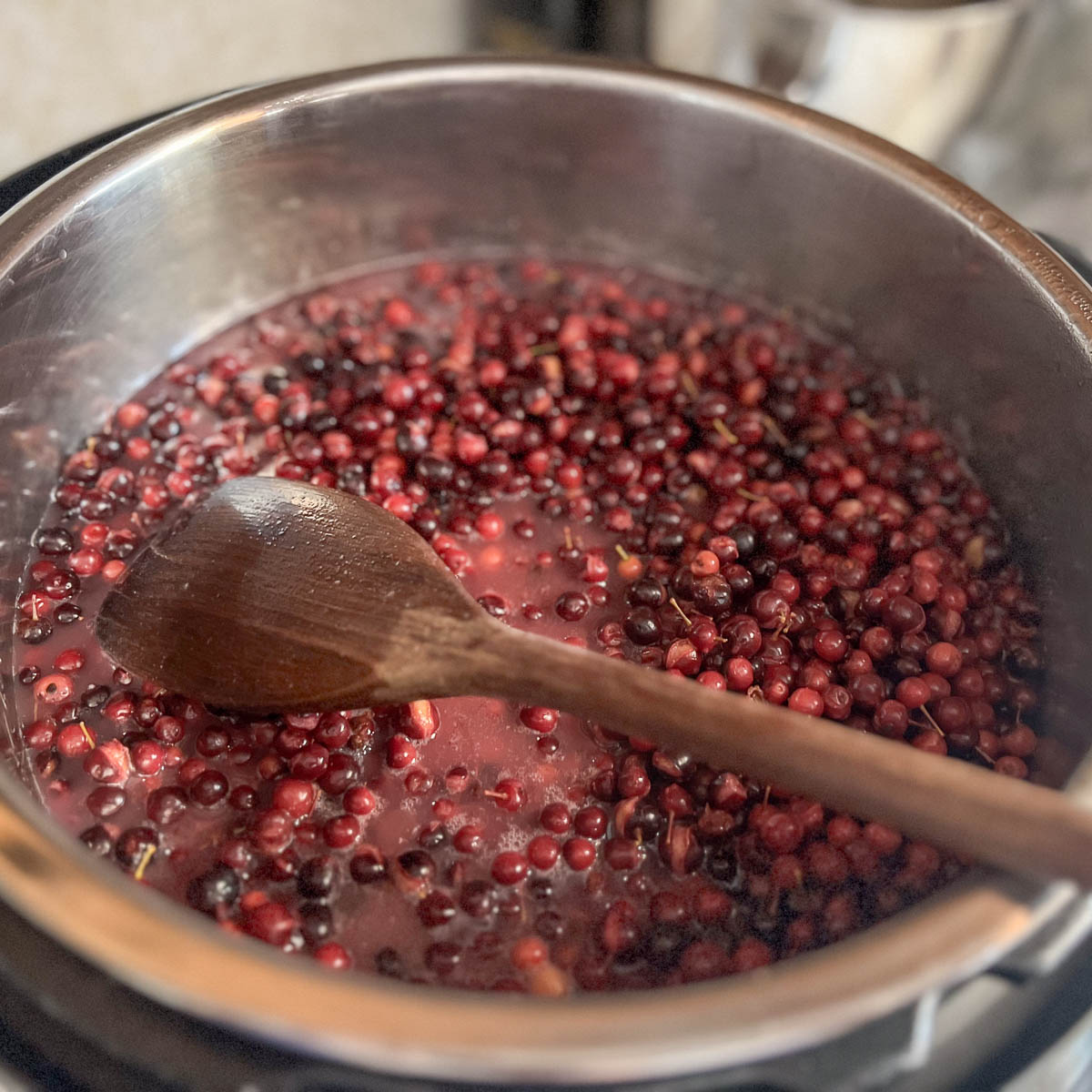
Bring to a boil, then reduce to a simmer for about 30 minutes, or until the fruit is very soft and easily separates from the pits. Stir occasionally and gently press the berries with a wooden spoon or potato masher to help release the juice.
Strain the Chokecherries
Remove the pot from heat and let it cool enough to handle safely.
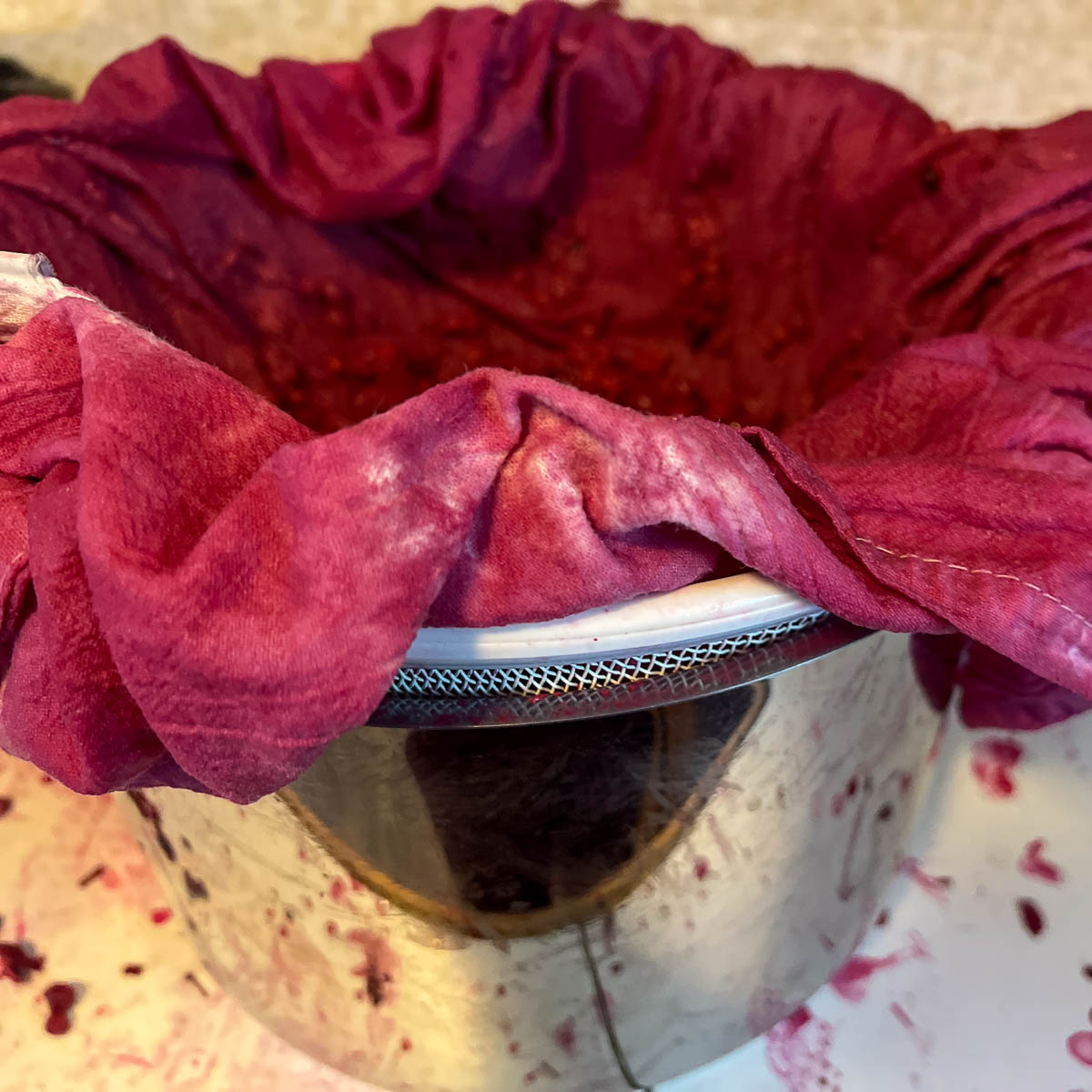
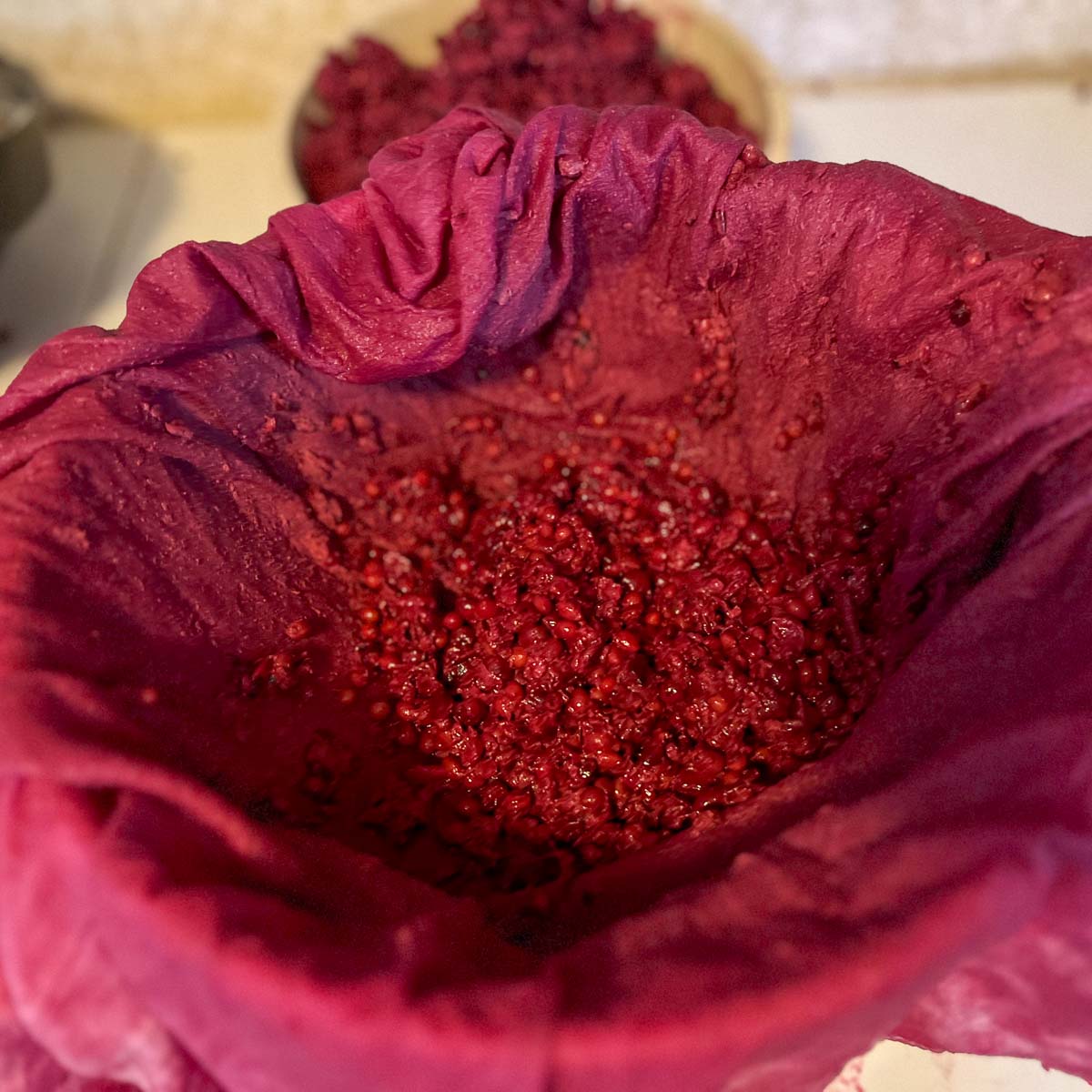
Strain the mixture through your strainer of choice — a flour sack towel, jelly bag, or fine mesh strainer works well. For a thicker, pulpy juice (great for Wojapi or a jam), you can gently press or squeeze the bag; for a clearer juice (ideal for jelly), let it drip without squeezing.
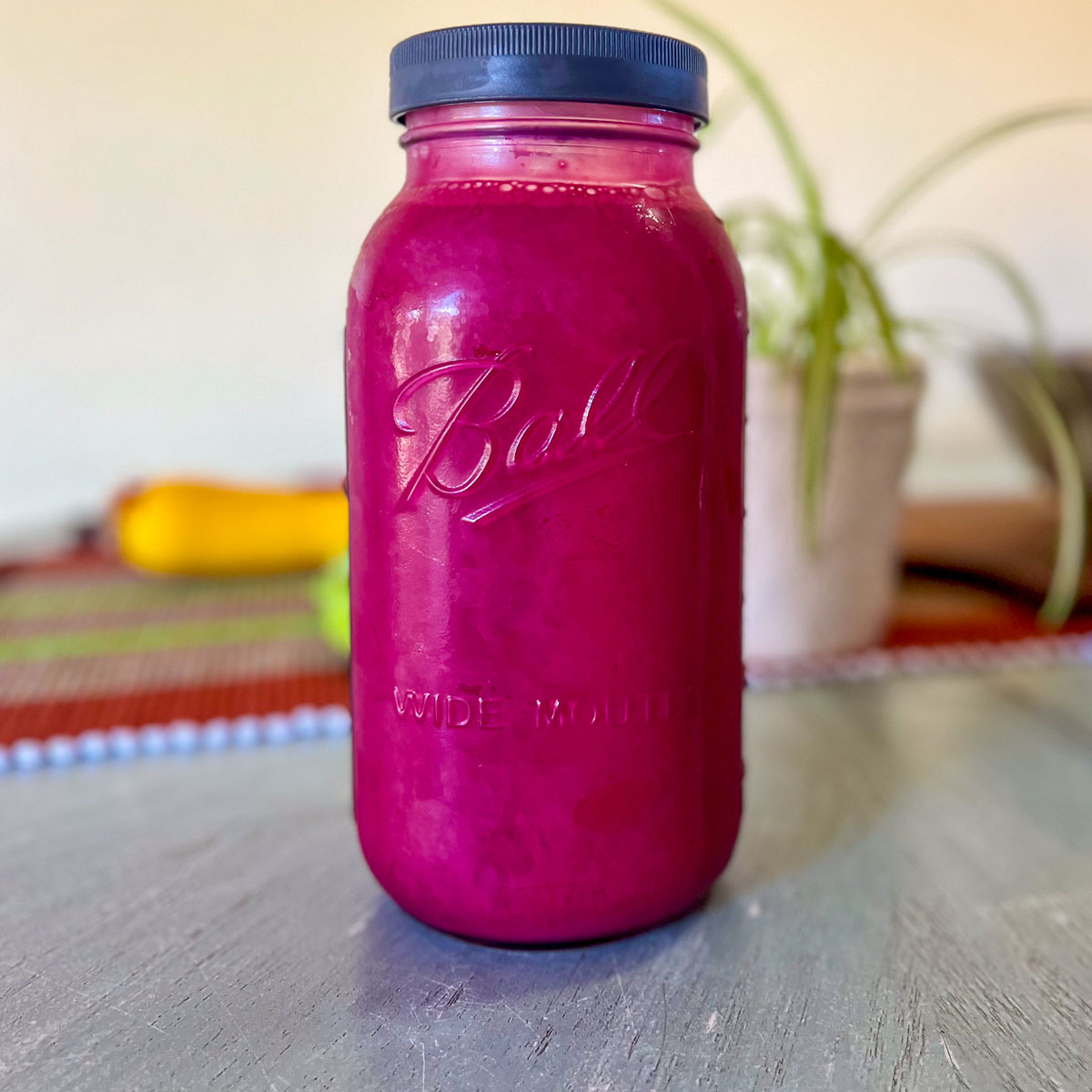
Reserve the juice in a clean container and place it in the refrigerator. Use within a few days, or freeze (in a freezer safe container) for longer storage. You can also water bath can the juice to preserve it for later use.
Storing Chokecherry Juice
If you do not choose to make your juice into jam, jelly or consume right away, you may want to store the juice by itself.
Freezing
Freeze juice by pouring into either freezer safe containers or wide mouth mason jars with plenty of room for expansion. There is a freeze fill line on indicated on Ball wide mouth mason jars.
Waterbath canning
Heat juice to boiling, pour into clean, pre-heated pint or quart jars leaving ¼ inch headspace. Place lids and screw rings to fingertip tight. Process for 10 minutes, adjusting for altitude.
Tips
- If you’re planning to make jelly and want a clear, jewel-like finish, use a jelly strainer or flour sack towel and avoid squeezing the bag. Let the juice drip naturally — it will take a lot longer, but the result is a beautifully clear juice perfect for jelly.
- If you’re making Wojapi or prefer a thicker, more pulpy juice, go ahead and use an old-fashioned cone food mill or cheesecloth and give the bag a good squeeze! This releases more pulp.
- Pre-wet your flour sack towel, cheesecloth, or jelly strainer before straining the chokecherries- it will help prevent your cloth from absorbing too much of the juice. As you can see from my process shots- I forgot to do this.
FAQ
Chokecherries are tart and astringent so may not be palatable to some people, while others love to eat them raw! That being said, they are safe to eat raw just spit out the pit.
Like other stone fruits — peaches, plums, and cultivated cherries — chokecherry pits contain compounds (amygdalin and prunasin) that can release cyanide if the seeds are crushed. In this process, the pits are never crushed, and the juice is heated while cooking, which ensures safety (heating also neutralizes these compounds).
Also, since the pits are discarded afterward, there’s no need to worry.
What to Make Next
Stay tuned for my own guides in the future but here are some great resources in the meantime:
- Chokecherry Jelly or Syrup
- Wojapi: The Sioux Chef’s Indigenous Kitchen by Sean Sherman has a version, and you can also find one on Forager Chef.
Related
Looking for more foraging recipes?

How to Make Chokecherry Juice
f you’ve picked chokecherries for the first time and aren’t sure what to do with them, start here! I’ll show you how to make chokecherry juice — the base for old-fashioned jelly and syrup or traditional Wojapi.
Ingredients
- Chokecherries
- Water
Instructions
- Place the chokecherries in a pot and add just enough water to cover the fruit.
- Bring to a boil, then reduce to a simmer for about 30 minutes, or until the fruit is very soft and easily separates from the pits. Stir occasionally and gently press the berries with a wooden spoon or potato masher to help release the juice.
- Remove the pot from heat and let it cool enough to handle safely.
- Strain the mixture through your strainer of choice — a flour sack towel, jelly bag, or fine mesh strainer works well. For a thicker, pulpy juice (great for Wojapi or a jam), you can gently press or squeeze the bag; for a clearer juice (ideal for jelly), let it drip without squeezing.
- Reserve the juice in a clean container and place it in the refrigerator. Use within a few days, or freeze (in a freezer safe container) for longer storage. You can also water bath can the juice to preserve it for later use.
Notes
- If you’re planning to make jelly and want a clear, jewel-like finish, use a jelly strainer or flour sack towel and avoid squeezing the bag. Let the juice drip naturally — it will take a lot longer, but the result is a beautifully clear juice perfect for jelly.
- If you’re making Wojapi or prefer a thicker, more pulpy juice, go ahead and use an old-fashioned cone food mill or cheesecloth and give the bag a good squeeze! This releases more pulp.
- Pre-wet your flour sack towel, cheesecloth, or jelly strainer before straining the chokecherries- it will help prevent your cloth from absorbing too much of the juice.
Recommended Products
As an Amazon Associate and member of other affiliate programs, I earn from qualifying purchases.



Comments
No Comments