
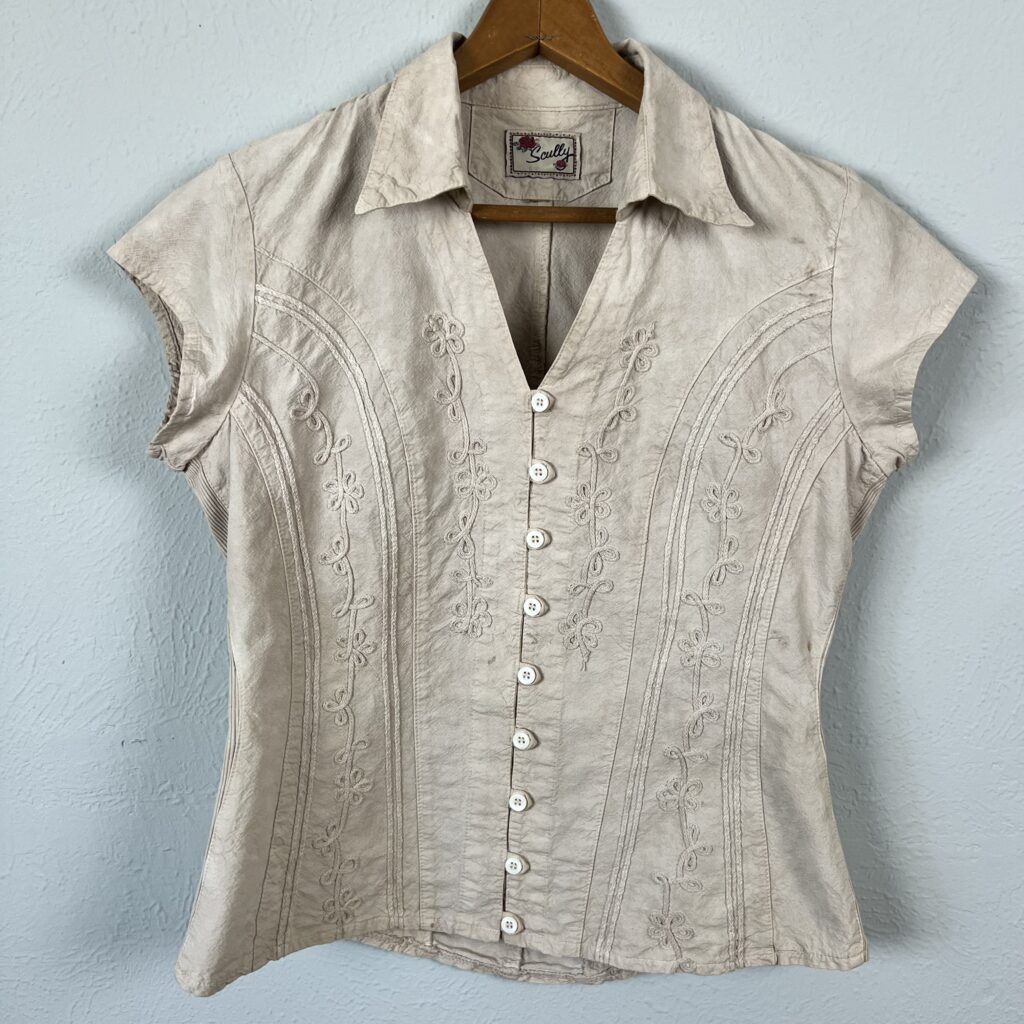
Create a lovely taupe brown color that only nature can bring! Learn how to use foraged pecan hulls to naturally dye cotton or linen fabric.
I have outlined the essential steps needed to get the best results possible using minimal equipment and ingredients. There is also an optional more advanced step.
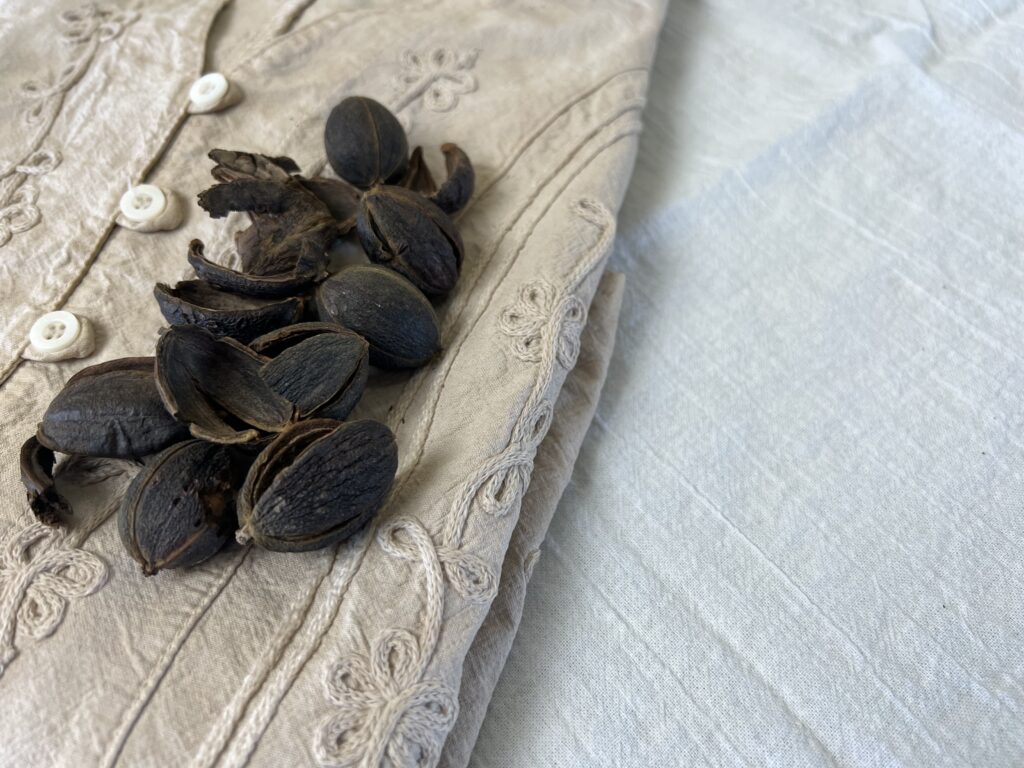
I have recently shared a post where I foraged pecans. An added bonus from foraging your own pecans is that you also have access to the hulls, leaves and shells- all of which can be used to naturally dye fabric. This is great for us wild crafters!
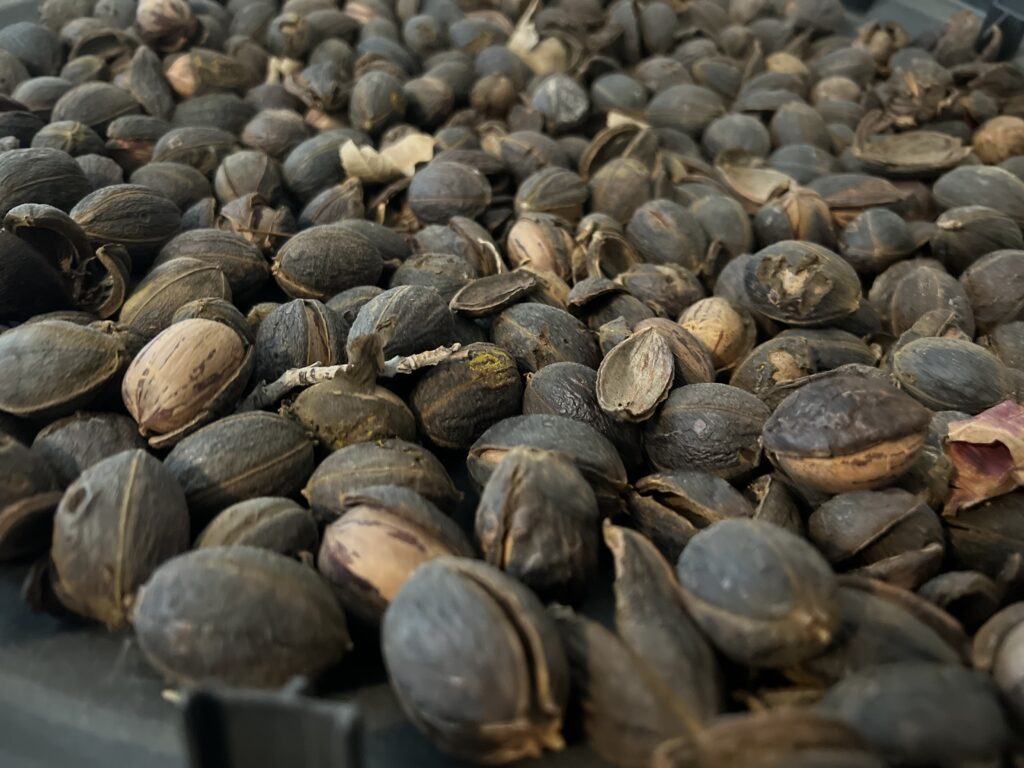
In this post I share my journey with using the hulls, but hope to experiment with all other foraged pecan dyestuff.
I could not find much information about dying specifically with pecan hulls, but there is lot of information in books and online about dying with walnuts. Since pecan and walnut hulls are similar in many ways including both being high in tannins, I used the process recommended with walnuts.
*One important thing to note before you go on: If you have decided you will definitely go on to experiment with natural dyes in the future, and would like to use an alum mordant, use a dye pot and other utensils dedicated only for that purpose.
Do not mix your kitchen cookware with the the many metal mordants that more advanced dye techniques require.
This post contains affiliate links. If you make a purchase through these links, I may earn a small commission at no extra cost to you. Thank you for your support!
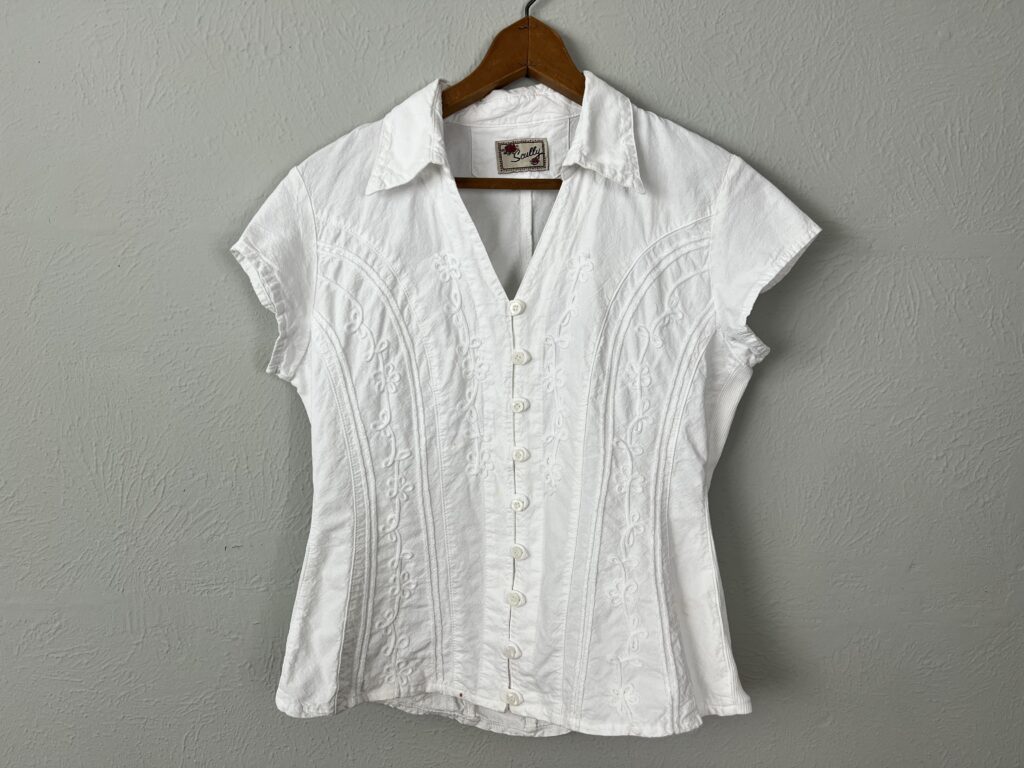
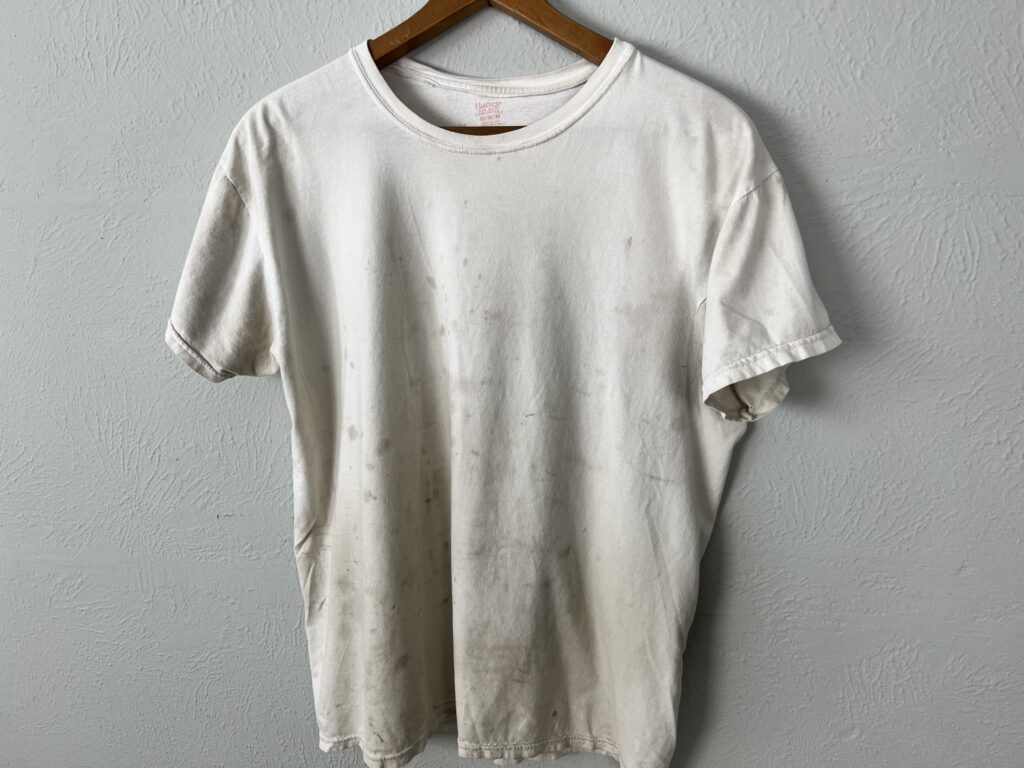
Tips and Other Information for dying with Pecan hulls
- You may get different results than I do. Many different factors can effect the final color.
- Your waters ph, the amount of hulls you use, if a mordant was used or excluded, the amount of time your fabric stays in the dye bath all effect the results you will get.
- To get the most even color distribution on your fabric, occasionally stir and move the garment in the dye pot as it sits. The dye will not cover up stains.
- The color on fabric may not be completely even. Embrace the unknown imperfections!
- The aluminum acetate is a very fine power. Use a face mask to minimize breathing in any of it.

FAQ
Can I use this process outlined for wool, silk, or other animal fibers?
No. Animal fibers require a much more gentle scouring process. They also have a differing mordant processes.
What is a mordant?
The word mordant comes from the Latin word mordere, meaning to “bite” or “fasten”. Mordanting prepares fibers to bond with natural dyes. Dyestuffs containing tannins have natural mordant properties.
Do pecan hulls need a mordant?
No. Pecan hulls are high in tannins and do not necessarily need a mordant before dying to become colorfast or lightfast, but applying an alum mordant beforehand generally creates a brighter natural color.
How many pecan hulls will I need?
You will need at least half the weight of pecan hulls to fabric. Keep in mind this is really just a baseline. I used significantly more pecan hulls than needed for this project. Feel free to do the same.
Do I need to scour my fabric?
Yes. When you scour fabric it will remove any excess oils, waxes, starches etc from the fabric manufacturing process. In order to give the fabric an equal chance to soak up the dye, and not repel it, scouring must be done. The only exception is if your garment has already been washed in hot or warm water several times.
Material You Will Need
*If you are using alum acetate, you will need at least one stock pot and two other containers (2 five gallon buckets are the best in my opinion).
*If you are excluding the alum acetate, you will need at least one stock pot and 1 five gallon bucket.
Second hand stores are great places to find many of the items below.
Stainless steel or enameled stock pot- This is used to scour fabric, extract the dye from the dyestuffs to make a dye bath, and simmer fabric with dye.
(1-2) 5 Gallon bucket(s)- These are really handy for straining the dye, applying mordant, rinsing, etc.
Wooden or nonreactive stirring spoon
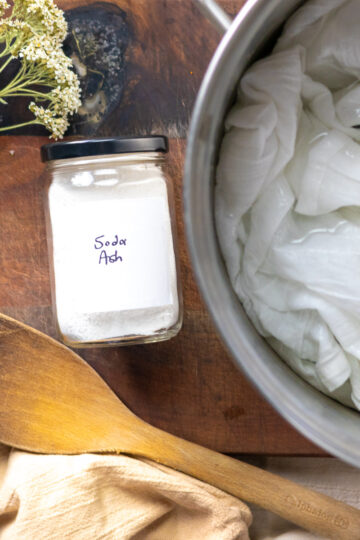
Scour Ingredient - For 3 gallons of water: 1 teaspoon soda ash or 2 teaspoon dishwashing liquid.
Rubber gloves
Face Mask (optional only if excluding alum).
Food scale (optional) - For weighing fabric and alum acetate.
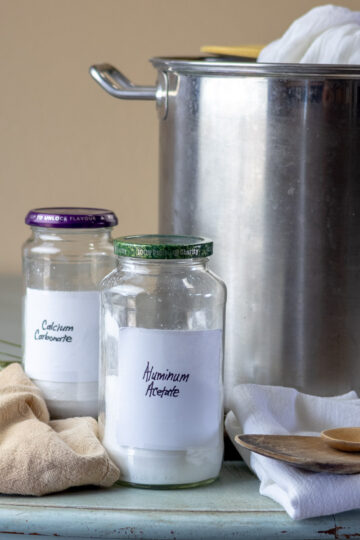
Repurposed glass jar or mason jar (optional) - This is used to measure the alum into.
Alum acetate (optional) - This alum mordant is most recommended for cellulose fibers like cotton and linen.
Wheat bran (optional) - The phosphates present in wheat bran help remove any excess mordant before dying. This can be found in most health food stores very inexpensively.
How to Dye with Pecan Hulls
- Choose a white cotton or linen garment or fabric.
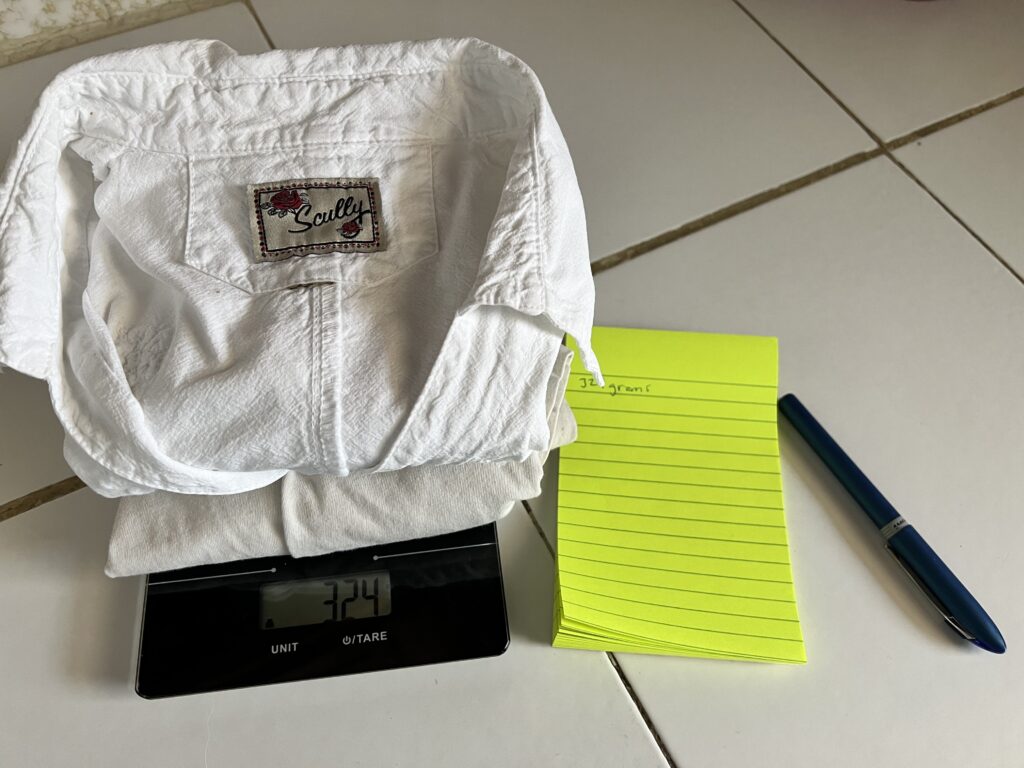
If using aluminum acetate mordant: Weigh fabric in grams and write down.
2. Create dye bath
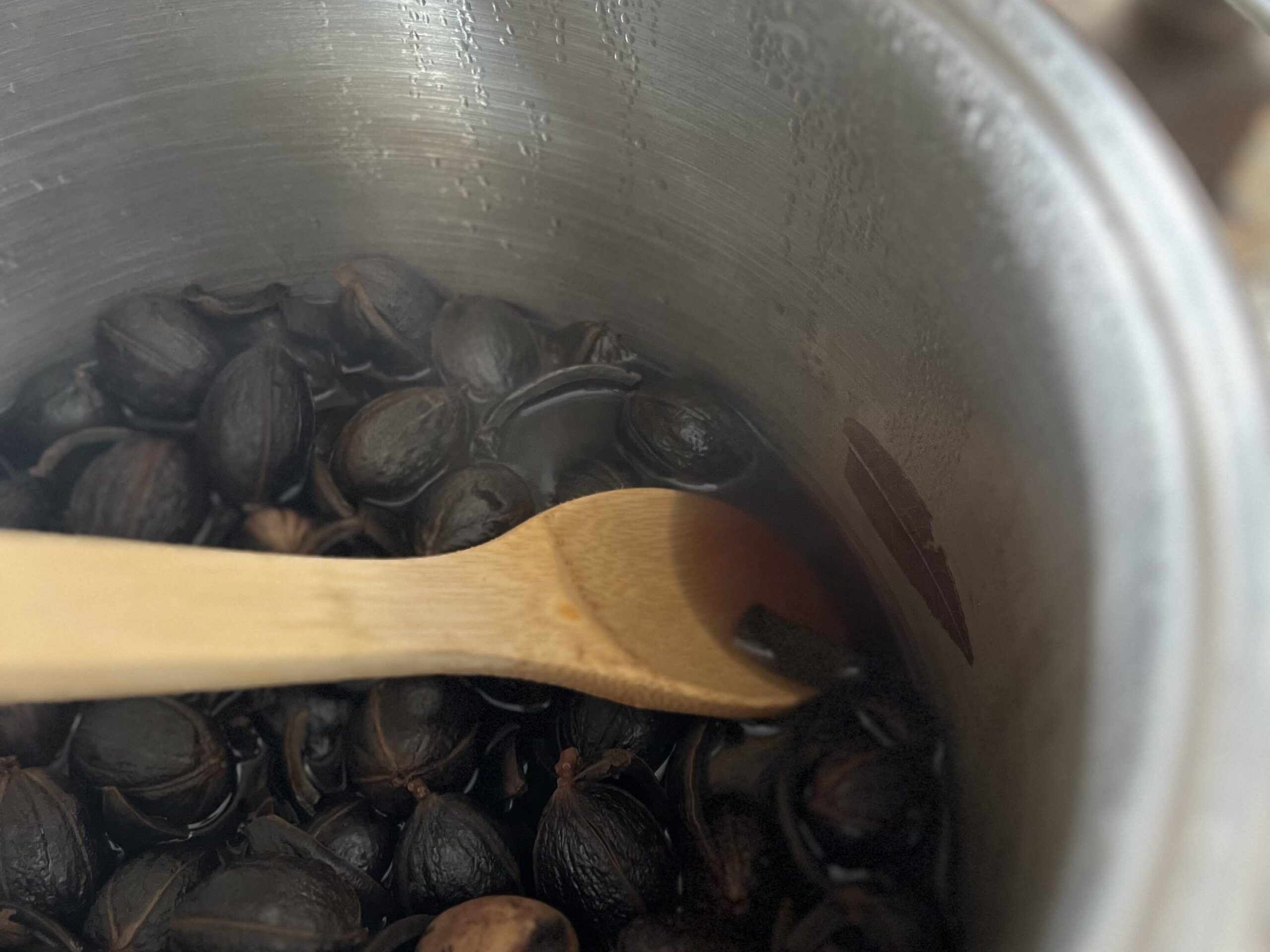
Before you create the dye bath, rinse pecans well if you are using a stock pot you plan to continue using for food.
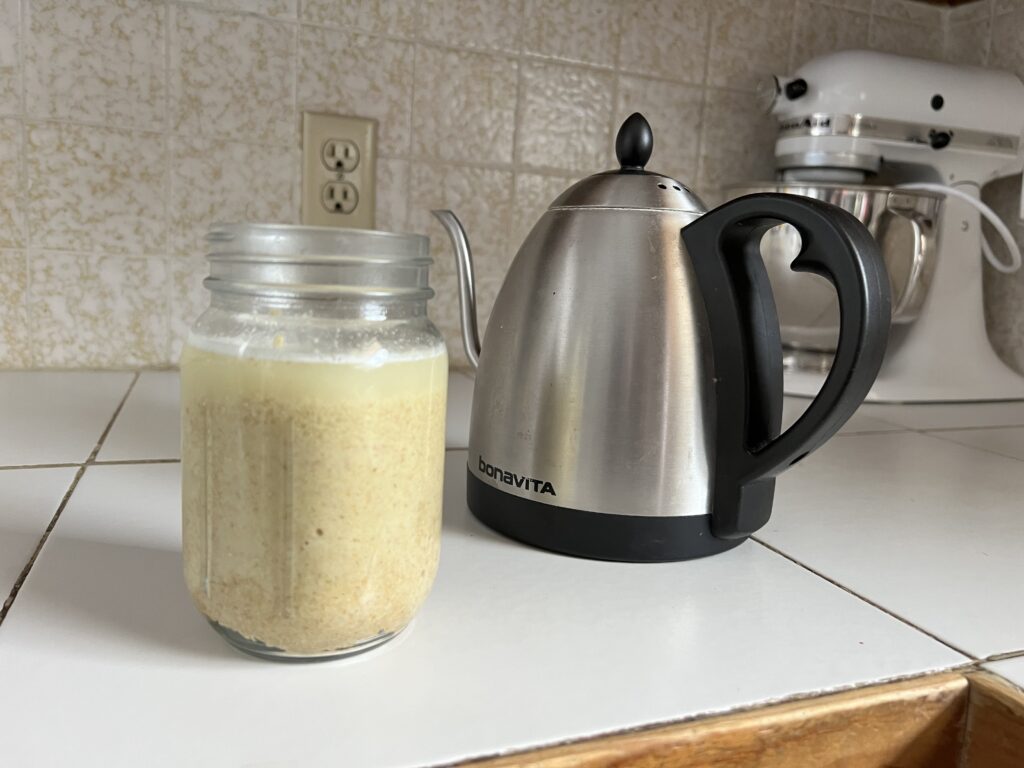
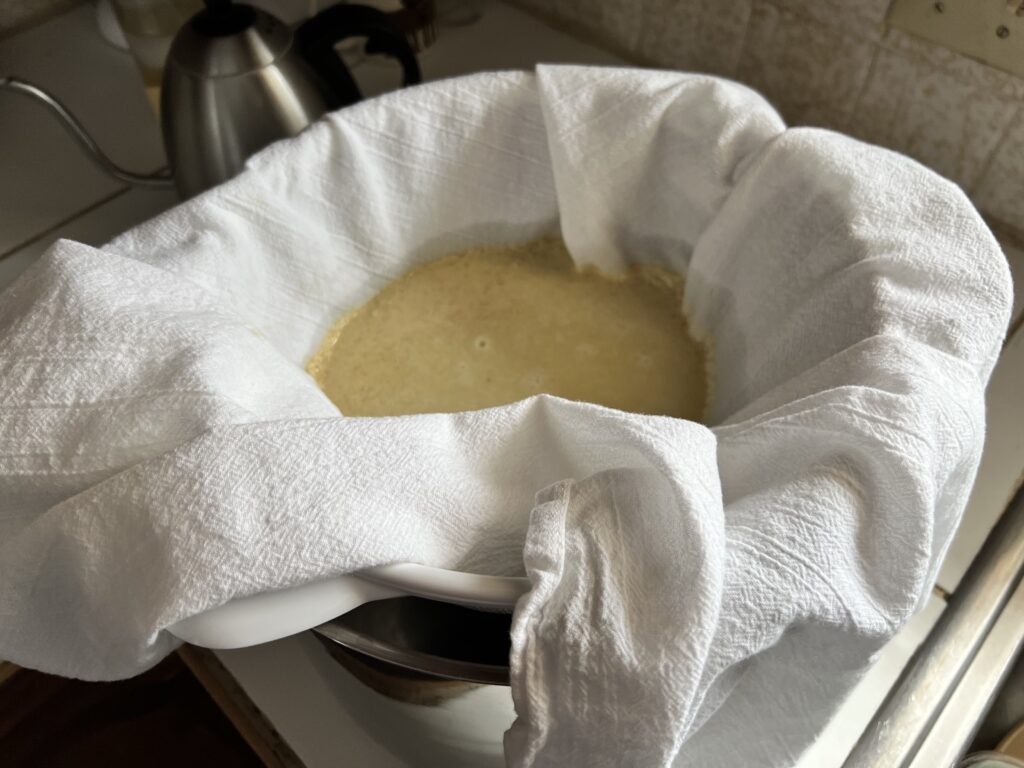
Soak pecan hulls in water for 24 hours, then the next day, bring pot to a simmer for 1-2 hours then let cool over night. The next day strain dyestuff using a mesh strainer with cheesecloth or something similar into 1 five gallon bucket.
3. Scour
Simmer garments with soda ash or dishwashing detergent for 1 hour. The water sometimes becomes yellow. Expect some shrinkage if fabric has not been preshrunk. Rinse.
4. If not using aluminum mordant, move on to step 8.
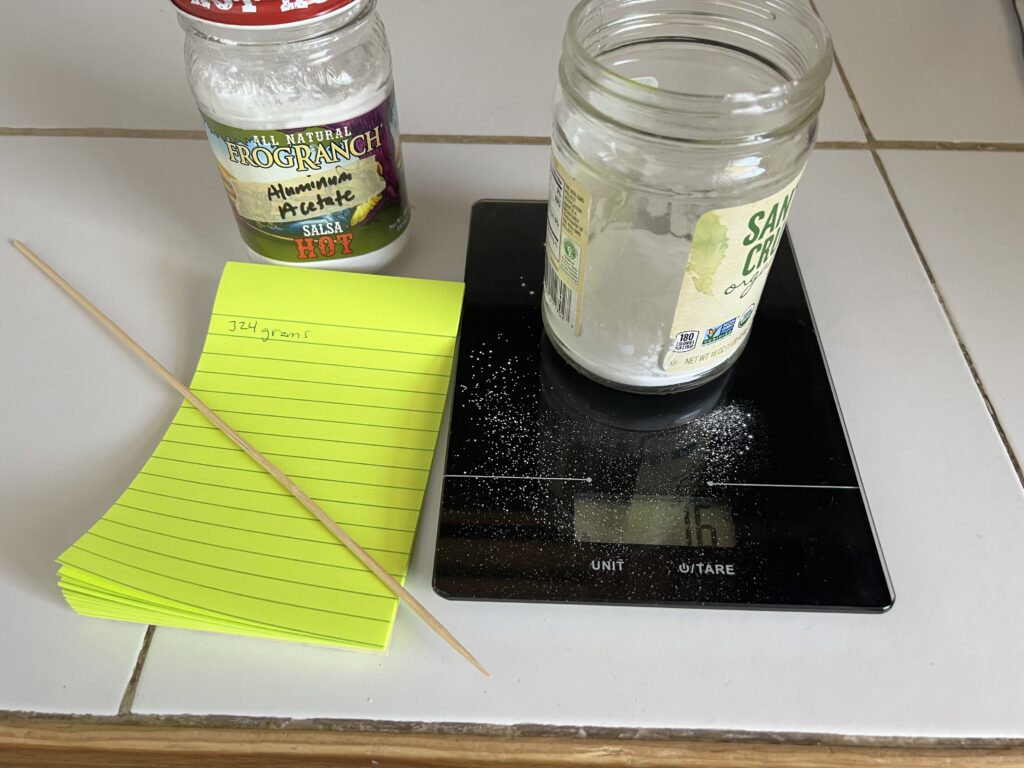
If you are using alum mordant: Using the weight of fabric, calculate 5% of that weight to find out how much alum acetate is needed.
For example: 324g of fabric would be around 16g of alum (I rounded down) 324 X .05 = 16.2
5. Measure mordant in grams in your glass jar.
Pour hot water in jar to dissolve, then pour into one five gallon bucket with enough water for fabric to move freely.
6. Put pre wet garment in mordant bath
Do this for at least 1 hour or overnight stirring every once in a while. Be sure to use your gloves if putting your hands in mordant bath.
*After soaking in mordant bath, you can dispose this bath by pouring down drain as long as you don't have a septic system. If you have a septic system, pour outside on acid loving plants or in an area that will not be effected by acid.
7. Measure wheat bran
For medium sized garments, start with ¾ cup of wheat bran (don’t worry too much about being exact on this). Pour hot water over wheat bran and steep for about 5 minutes, then strain into the other 2nd five gallon bucket and use enough water for garment to move freely.
Put garment in wheat bran bath for at least 1 hour. Then squeeze excess liquid (no need to rise) and you can go on to next step.
8. Put wet garments in dye bath
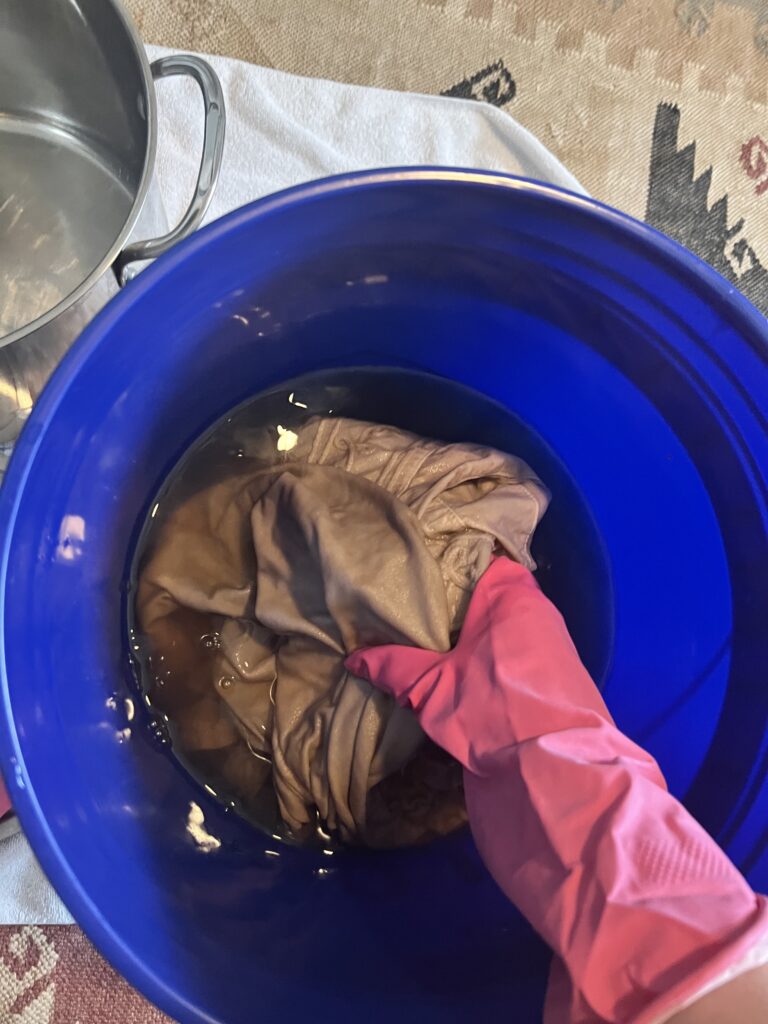
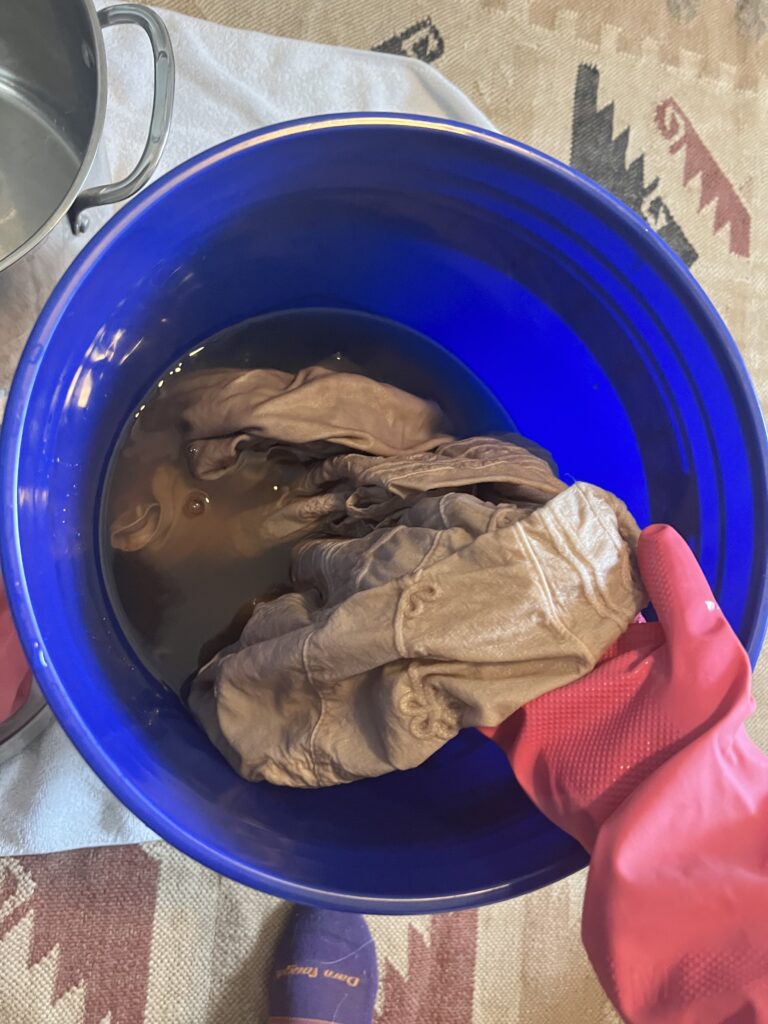
Bring to a simmer. Simmer for 1-2 hours and let cool overnight at least up to 1 week.
For this project I let the garments soak for 1 week, stirring occasionally.
9. Rinse with cold water and hang dry.
Caring, Cleaning and Maintaining Dyed Pecan Fabric
Like any dyed fabric, synthetic or natural, fading will occur naturally over repeated washes and in excessive sun. For this reason, only wash when necessary using a ph neutral soap/detergent (remember ph changes can effect color) in cold water and air dry.
Additional Resources & Recommended Books
The Modern Natural Dyer by Kristine Vejar
[…] Save the hulls of pecans to create a natural dark brown dye. I plan to do this and share it on the blog. […]