
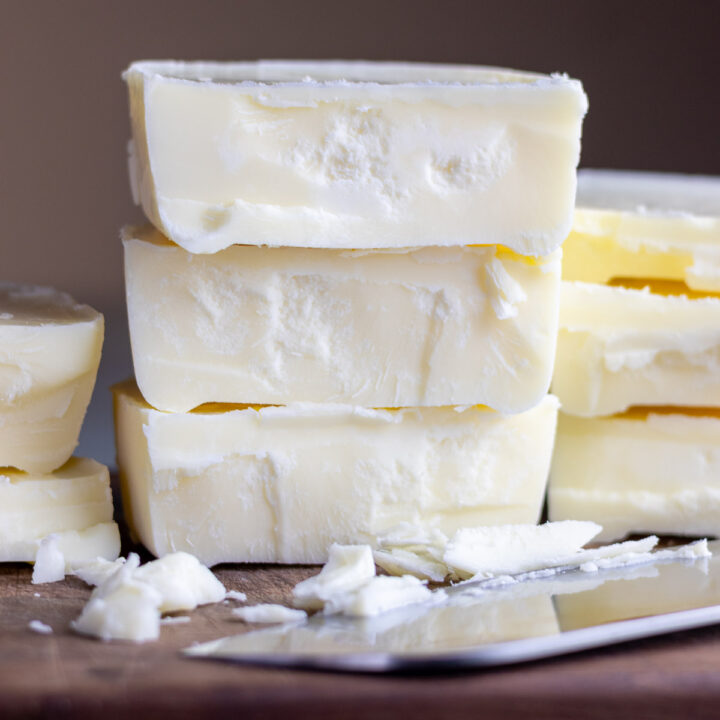
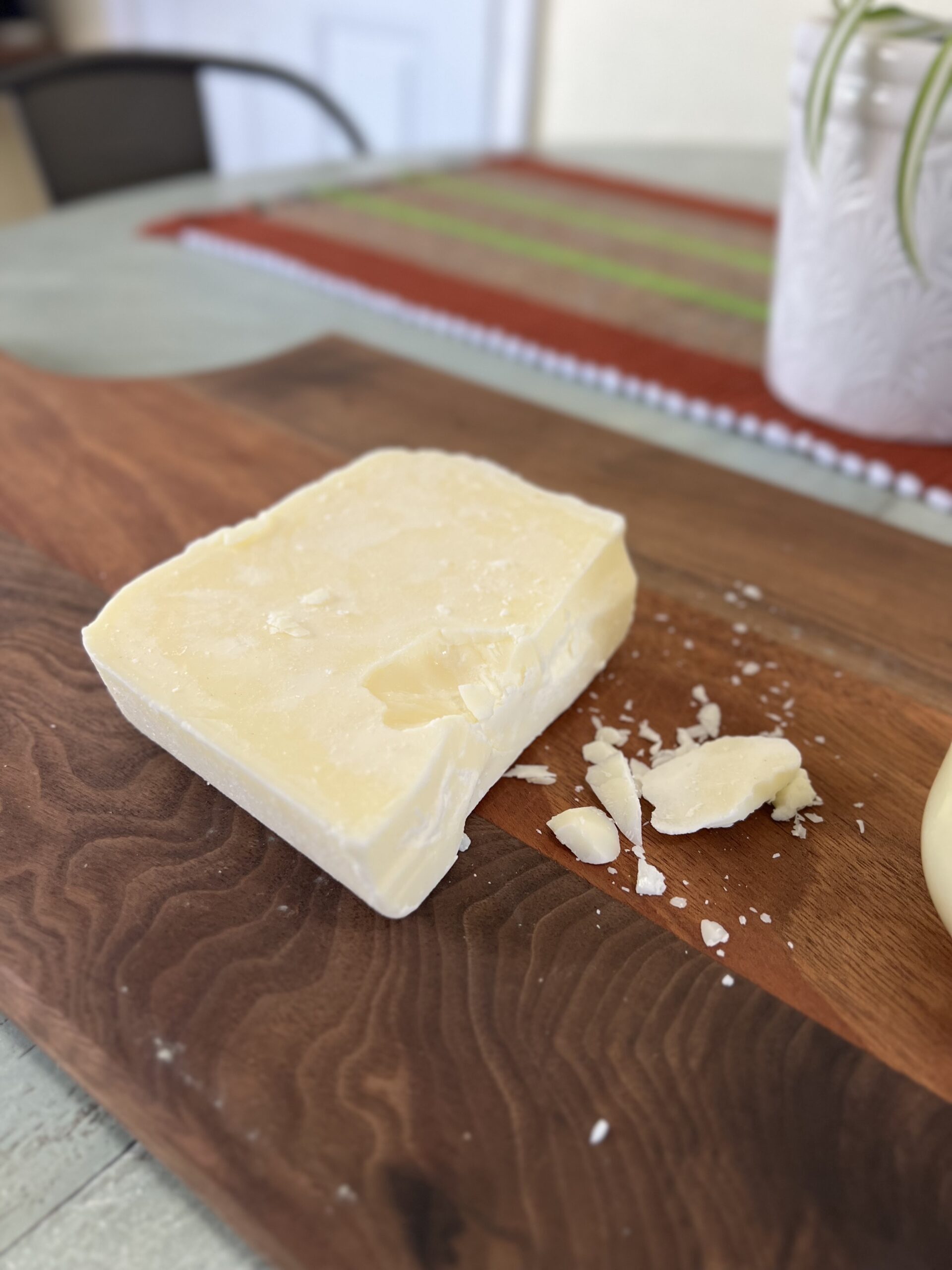
Wet rendering tallow creates a fat that works well for both cooking and body care products. The end result is a creamy white, nearly odorless tallow that you'll be glad you took the time to make.
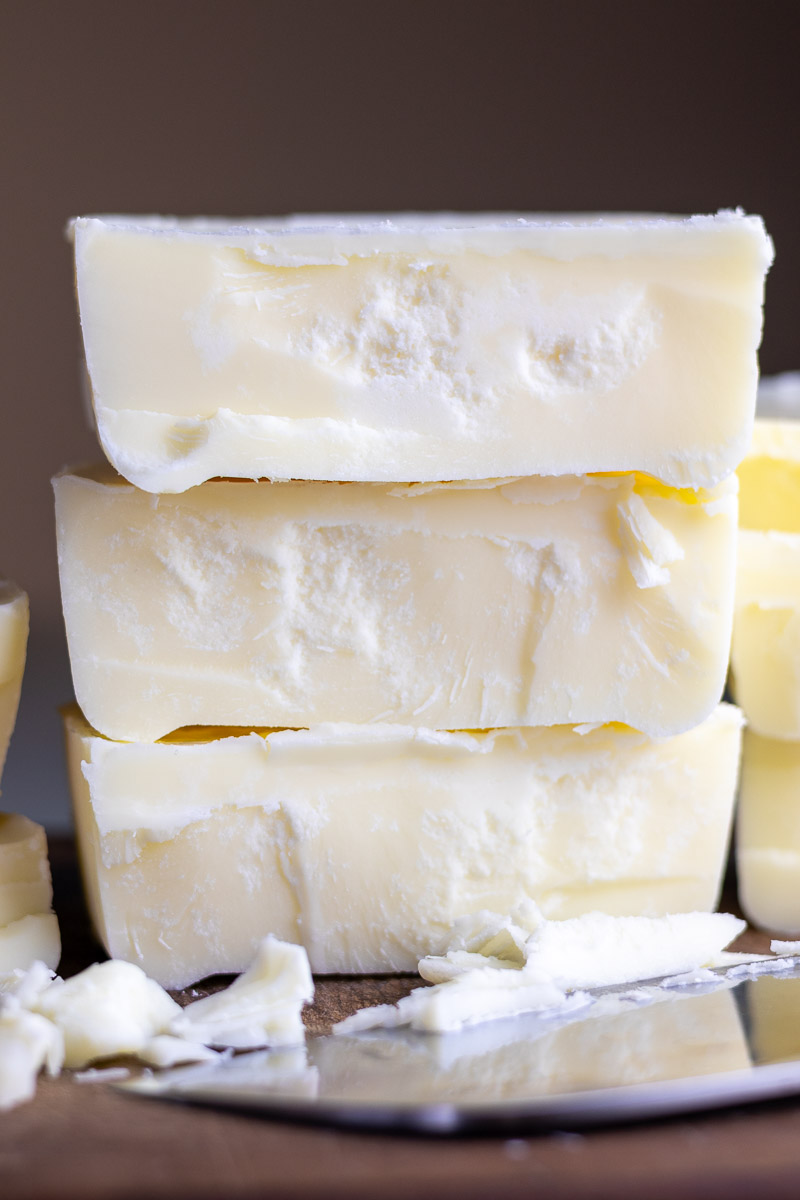
This method of rendering tallow is the one I use most often in my home. While it does take longer than dry rendering, I like it because there’s very little risk of burning the fat, so I don’t have to monitor the temperature all day. Wet rendering consistently gives me a mild, clean tallow that works well for both cooking and body care.
If you’re new to working with tallow and want to learn more about what tallow is and how it’s used, I go into that in a separate post. I also use wet-rendered tallow in many recipes on my site, including my simple tallow lip balm and my tallow and butter pie crust, where a neutral tallow really matters.
Jump to:
What is Wet Rendering?
Wet rendering tallow is a method where suet is gently heated with water, and sometimes salt, allowing the pure fat to melt out while proteins and other impurities separate into the water below. Because the water buffers the heat, the fat never reaches high temperatures, which helps prevent scorching. As the mixture cools the water is easily discarded.
Because water is added during the process, any leftover moisture can increase the risk of mold or spoilage over time, so extra care must be taken to fully remove any remaining water before storing the finished tallow.
Although wet rendering takes longer than dry rendering, it’s an ideal method if you want a nearly odorless tallow and don’t want to manage the pot all day. The clean, low-odor result makes this method perfect for lip balm, soap, candles, salves, and pastry baking.
Where Do I Find Suet?
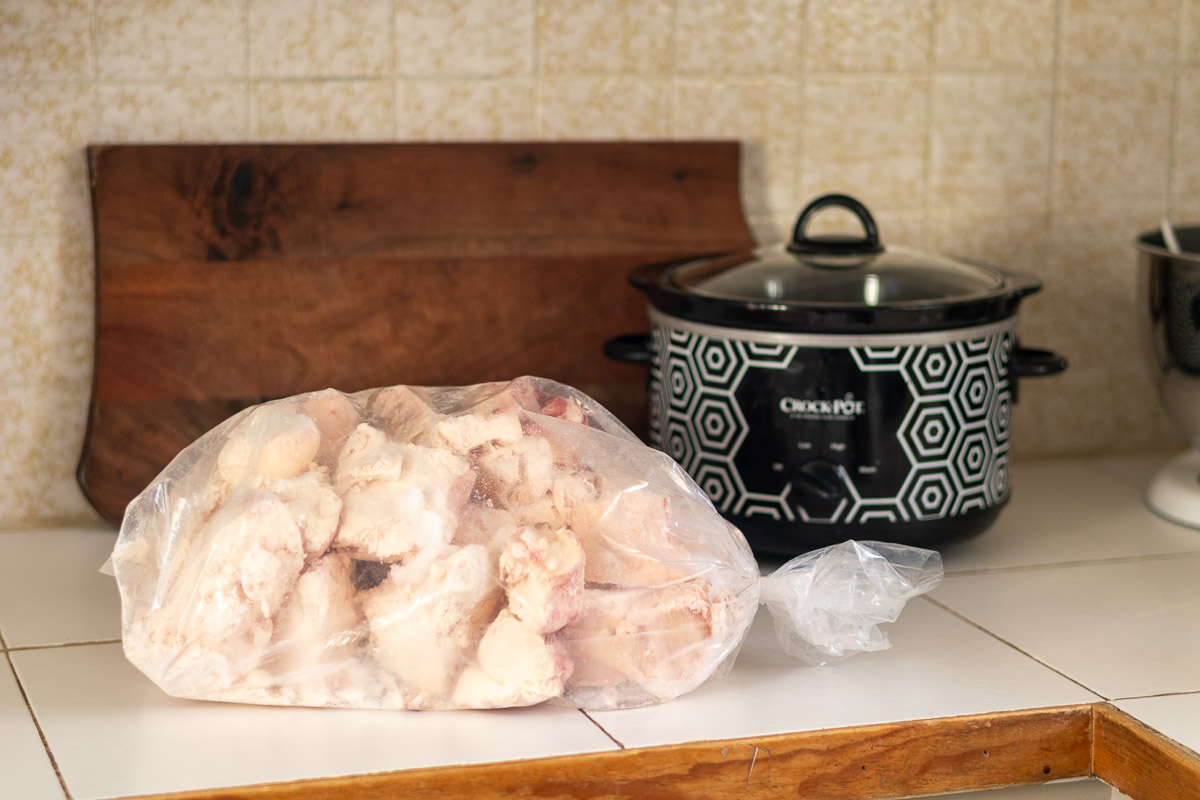
Suet is the hard fat found around the kidneys of cattle and can usually be purchased at your local butcher. I typically buy it in 10 lb bags and store it in the freezer until I’m ready to render it, and partially frozen suet makes it easier to cut up.
Be sure to ask specifically for kidney suet, as some butchers may give you general fat trimmings instead. If possible, have your butcher grind the suet for you, this makes rendering faster and easier and removes the need for an immersion blender later.
Ingredients and Tools
Batch size note: I am using a 4.5 quart crockpot and can comfortably fit 4-5 lbs of unrendered suet along with 4-5 cups of water. If you have a larger crockpot, and larger mixing bowl, you can fit more.
Ingredients
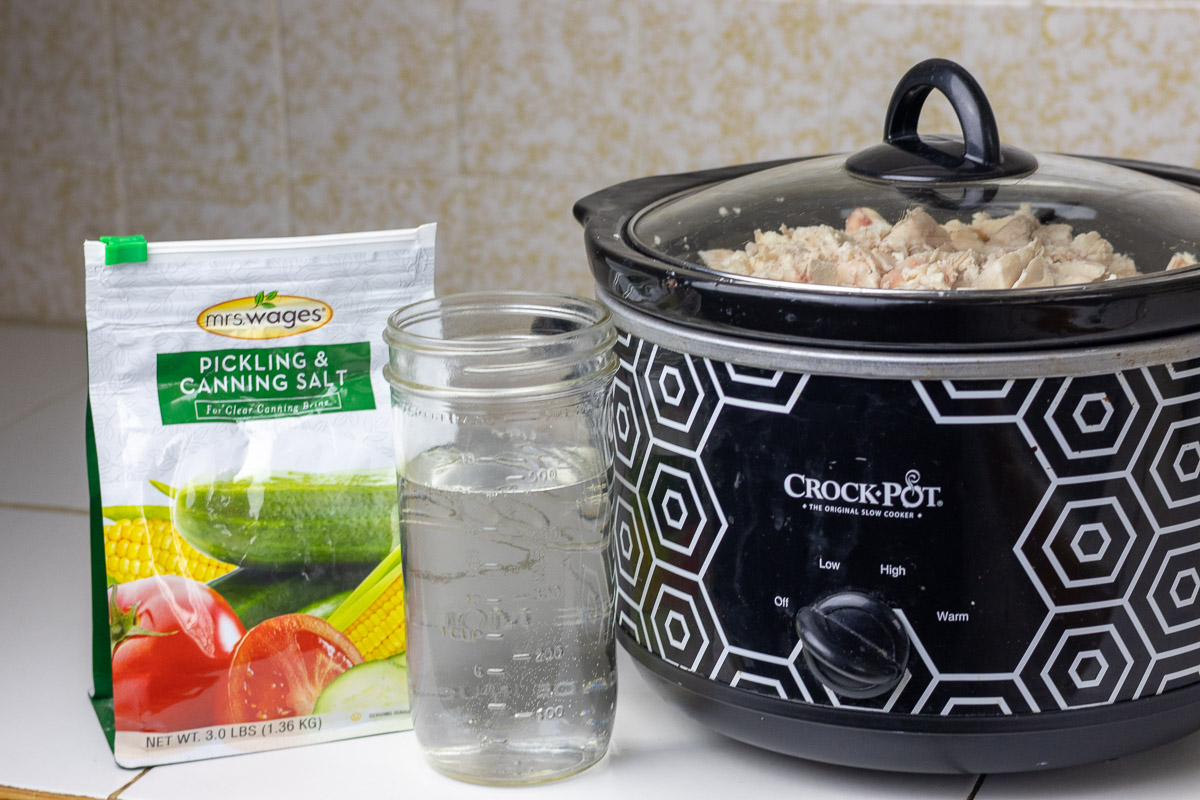
- Suet – The hard fat found around the kidneys of beef cattle (or other ruminant animals like goats, sheep, and deer).
- Salt – I use a basic canning salt (not iodized) and save my good culinary salts for cooking. The salt helps draw impurities out of the fat so they remain in the water below. The finished tallow itself will not be salty.
- Water – I generally use about 1 cup per pound of suet, but this doesn’t need to be exact. You just need enough water to buffer the heat and allow impurities to separate.
Tools
- Crockpot – Allows for slow, steady heat without constant monitoring.
- Immersion blender – Optional, but highly recommended for breaking up softened suet and speeding up rendering.
- Ladle and silicone spatula– Used to skim or strain the suet solids from the fat and water mixture and efficiently scrape out as much fat as possible in other steps.
- Fine mesh sieve – Helps catch smaller particles when straining hot fat.
- Cheesecloth – Helps catch even smaller bits.
- Large mixing bowl – Used to cool the fat and water mixture so the tallow hardens on top and the water settles below. This small batch fits a standard 5-qt mixing bowl
- Large measuring cup (8-cup) or half-gallon mason jar with a double boiler setup – Used for melting the finished tallow. I use an improvised double boiler made with canning lids and a pot.
- Mason jars, soap molds, plastic molds, or silicone molds – For storing the tallow.
- Paper towels – For cleanup (tallow gets everywhere).
Step by Step: How to Wet Render Tallow
Step 1: Prepare the Suet
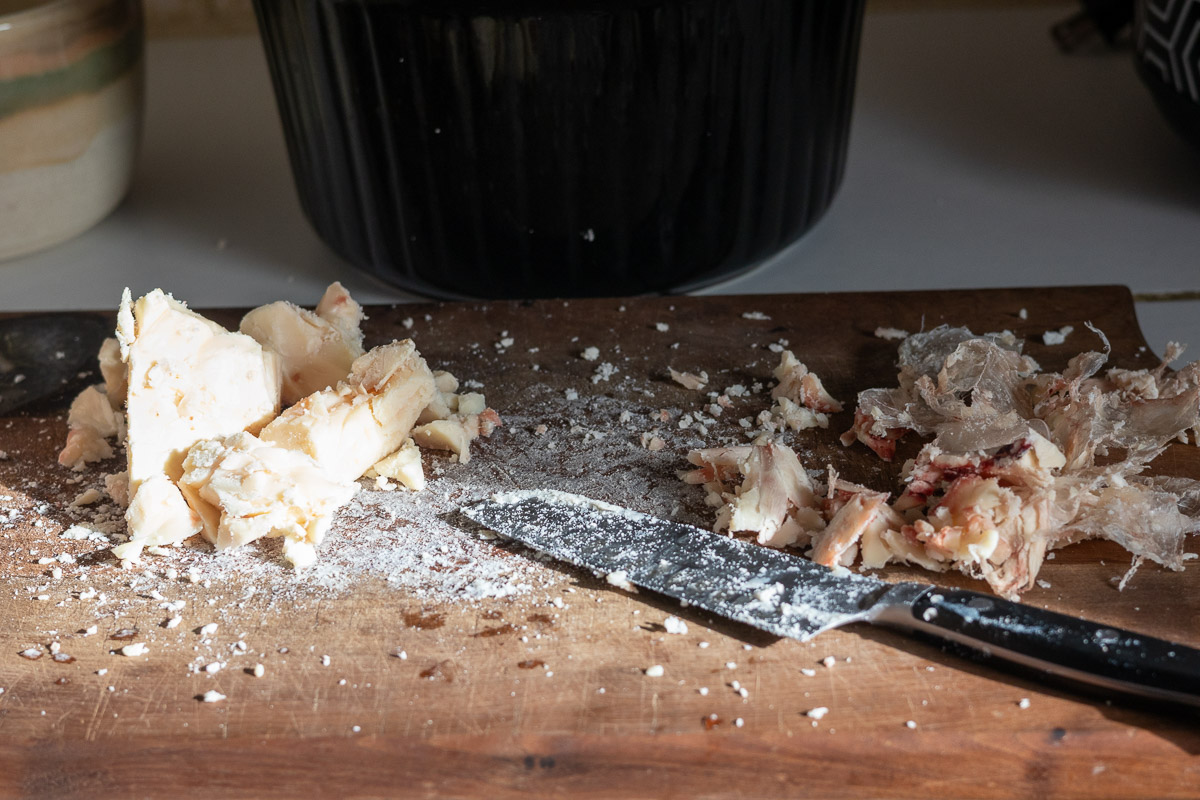
Cut your suet into chunks and remove any membrane, red bits, meat, or connective tissue. It’s okay if you don’t get every last piece—just do your best.
Step 2: Load the Crockpot
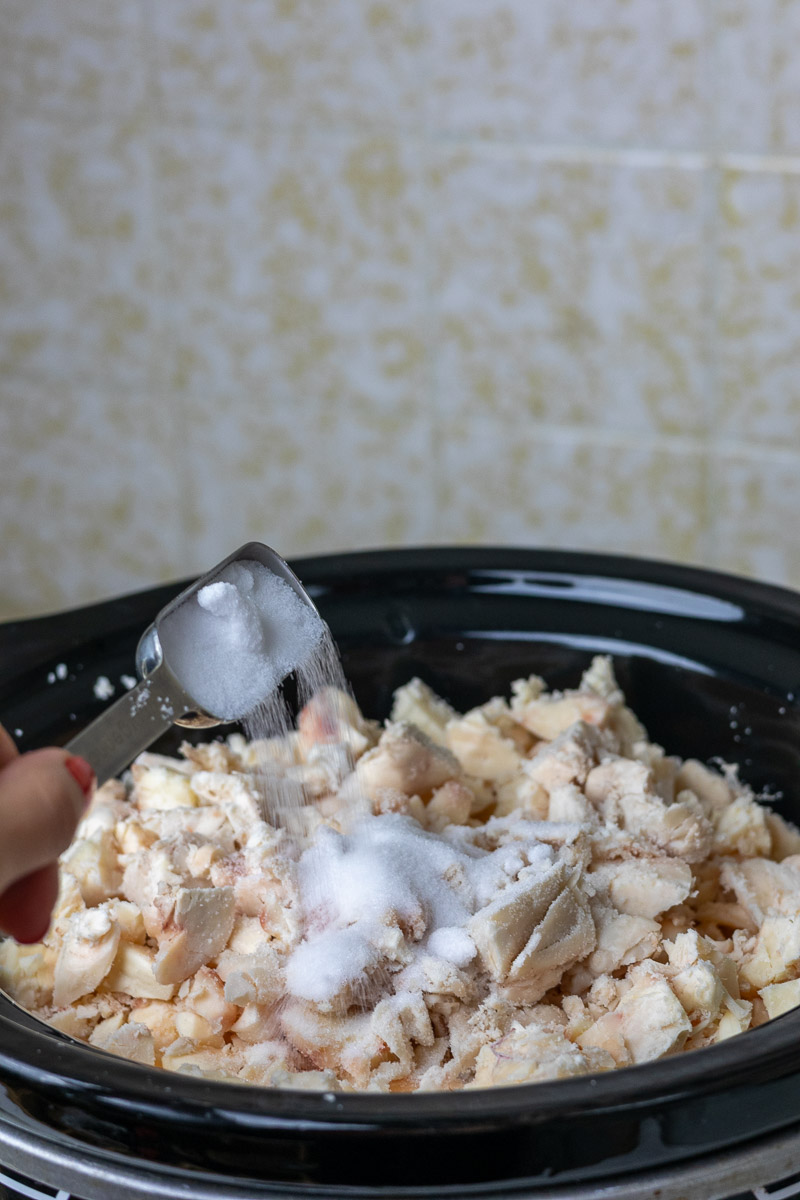
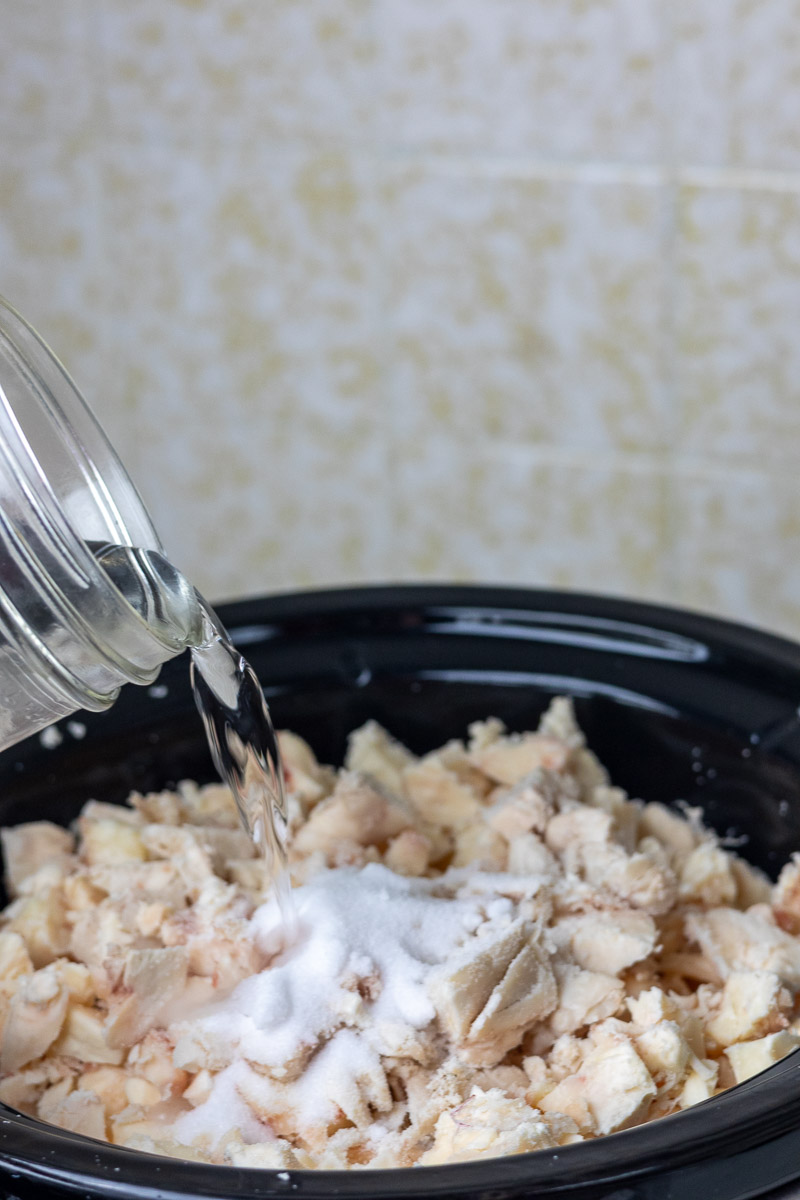
Place the suet chunks into the crockpot, filling it nearly to the top.
Add water and salt.
Step 3: Begin Rendering on HIGH
Cover the crockpot and turn it on HIGH.
Step 4: Blend to Speed Rendering
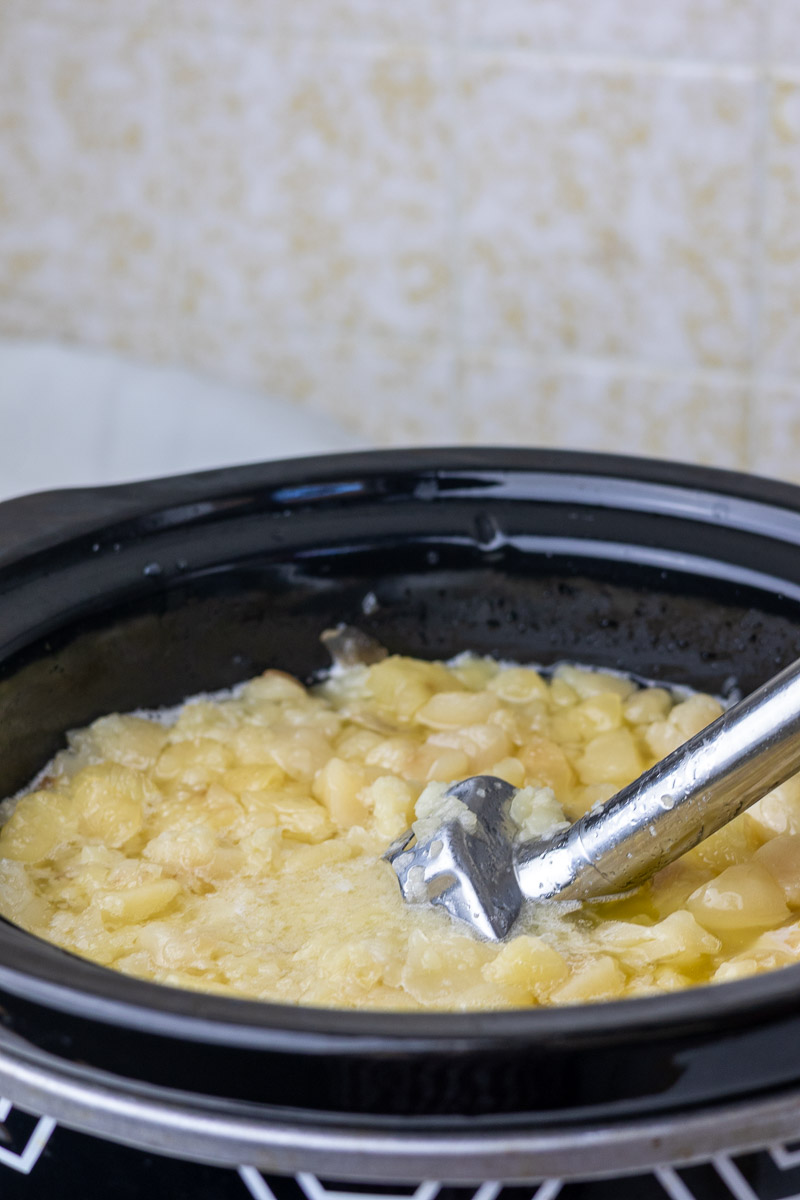
After about 2 hours, when the suet is very soft, use an immersion blender to blend the fat and water mixture. This helps the fat render more quickly.
Be careful during this step. Keep the immersion blender fully submerged and angled toward the bottom to avoid sputtering hot fat.
Step 5: Continue Rendering Until Fully Melted then Strain
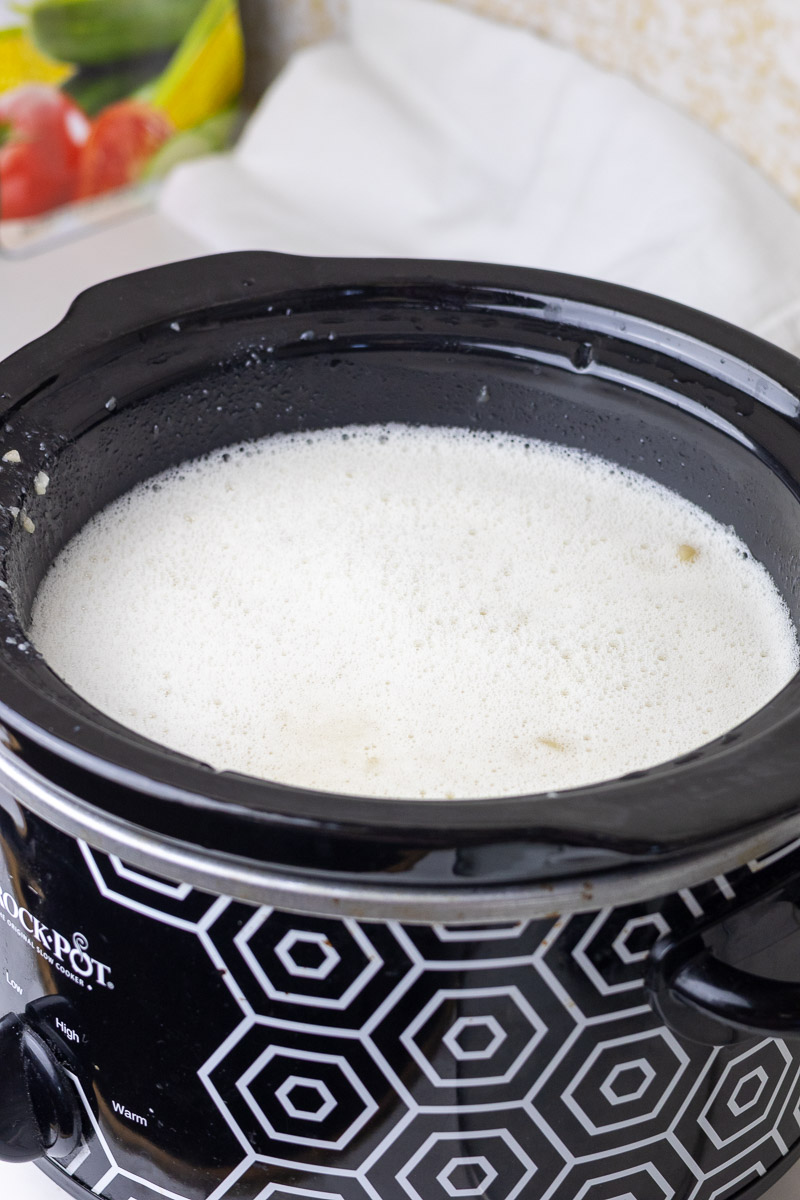
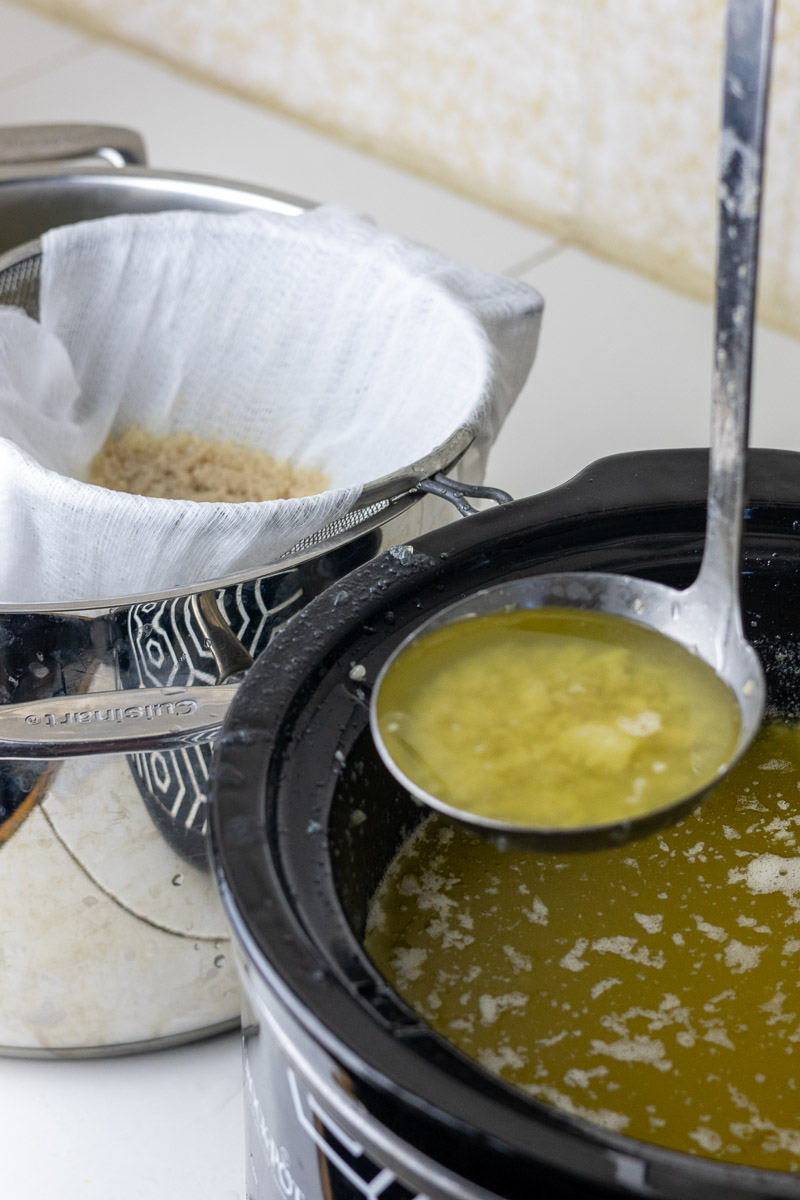
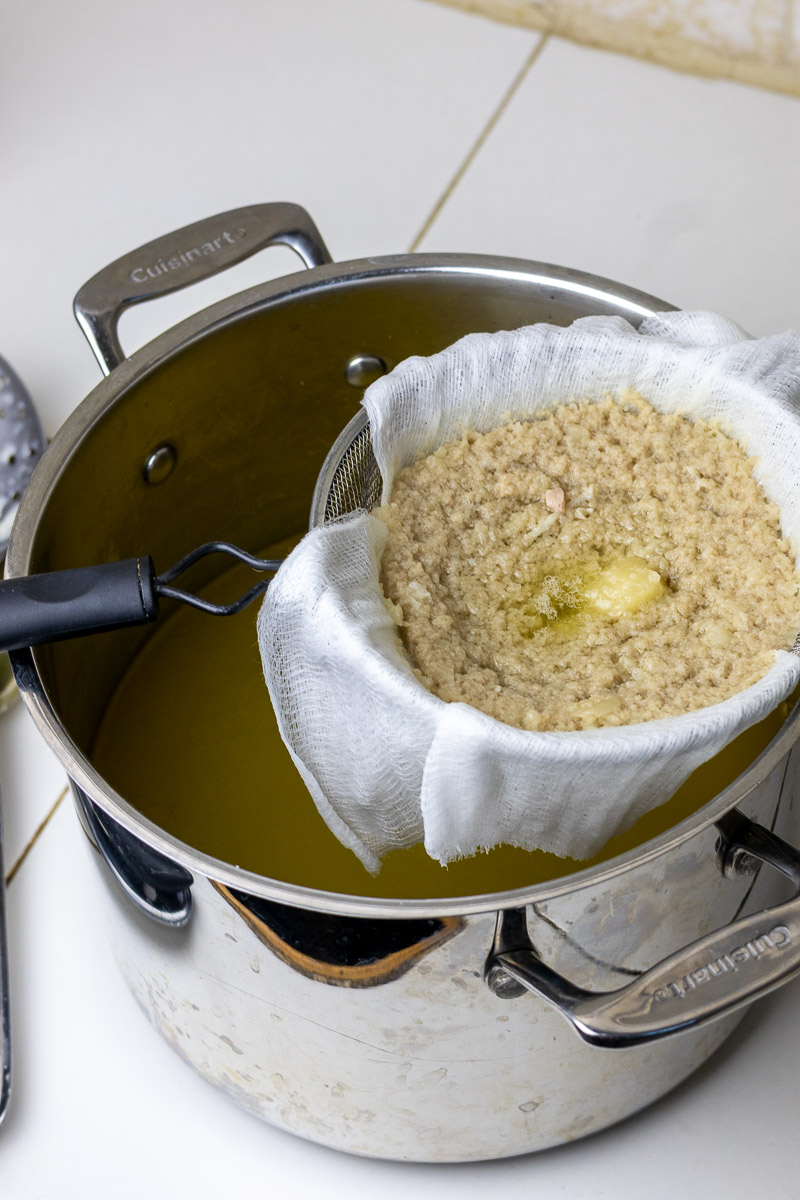
After another 4–5 hours, when the fat has fully rendered, prepare your large mixing bowl, ladle, and cheesecloth.
Turn off the crockpot and carefully strain the mixture into your mixing bowl. I first strained into a large pot, then transferred everything to the mixing bowl.
Step 6: Chill and Separate
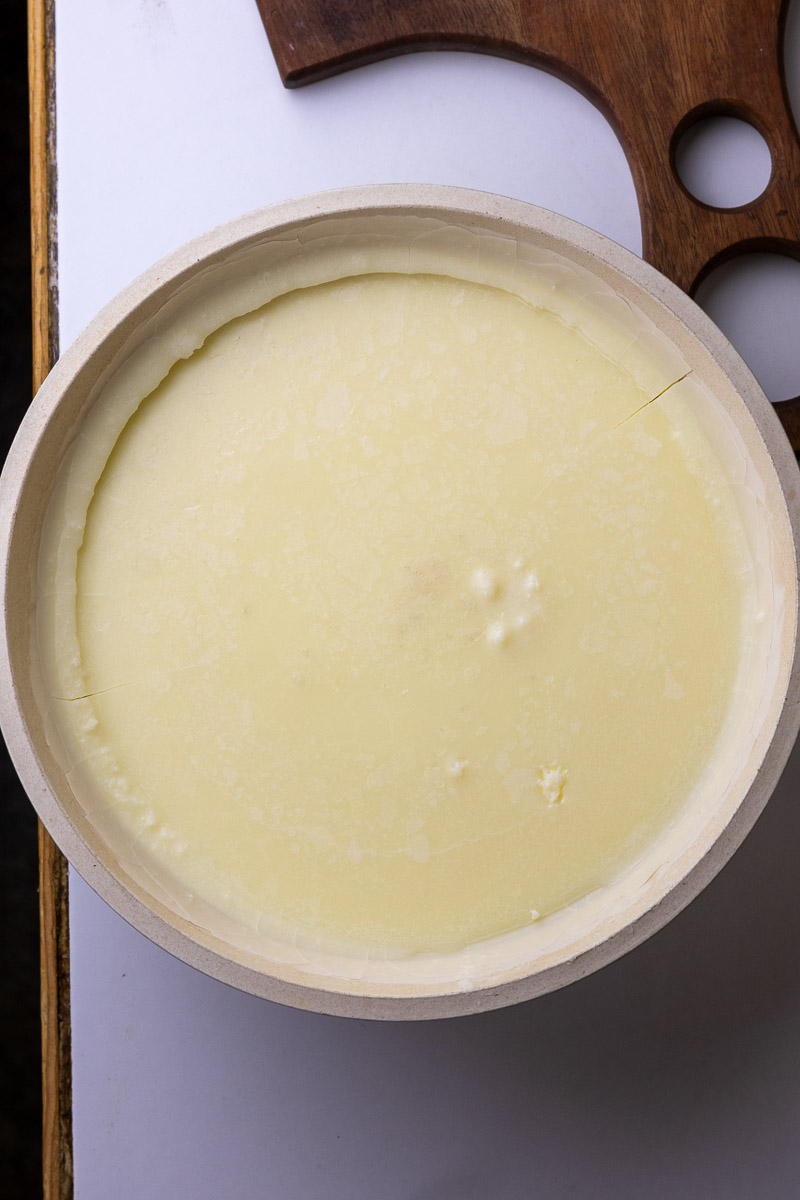
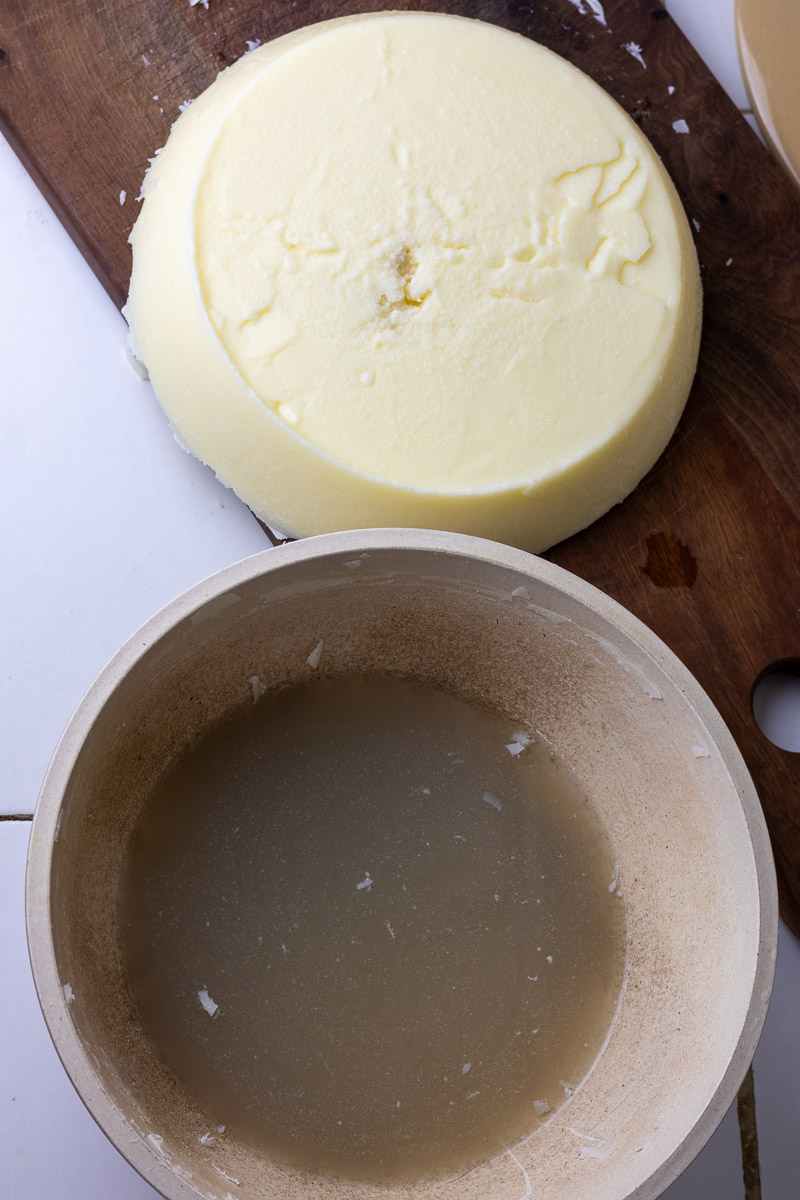
Allow the mixture to cool slightly, then transfer it to the refrigerator and chill overnight.
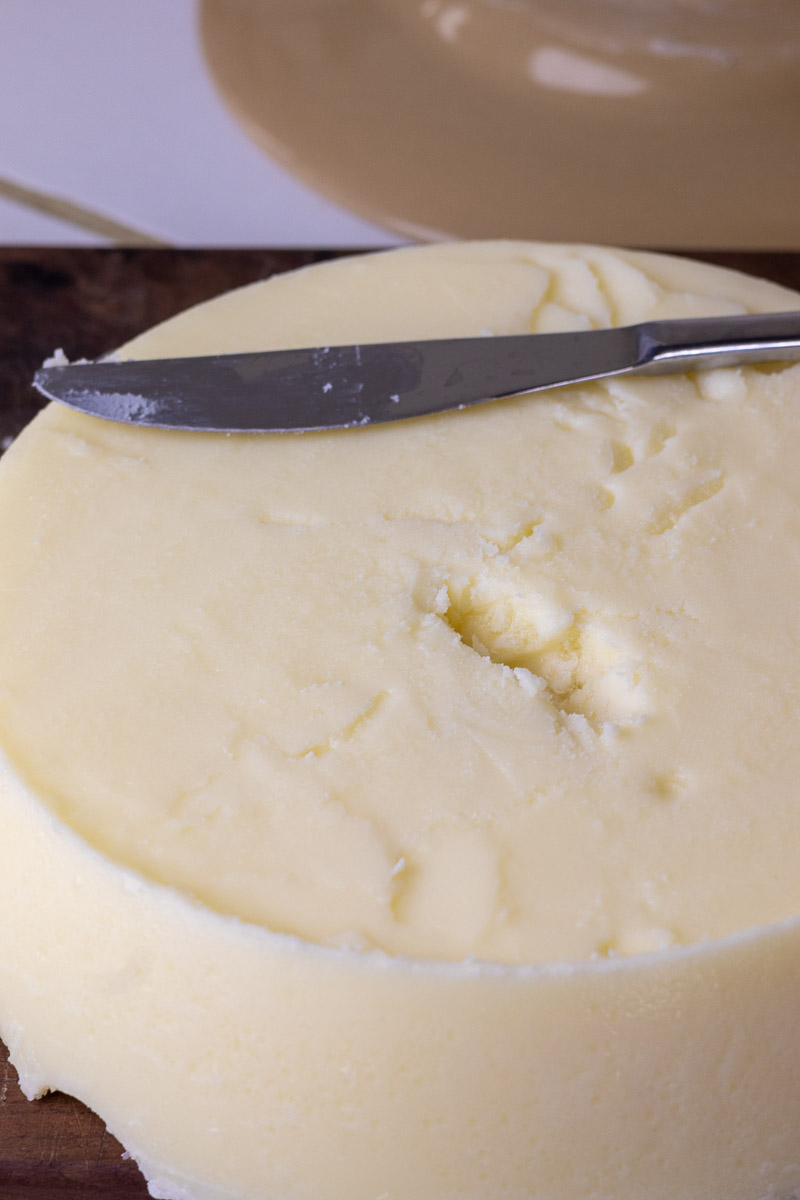
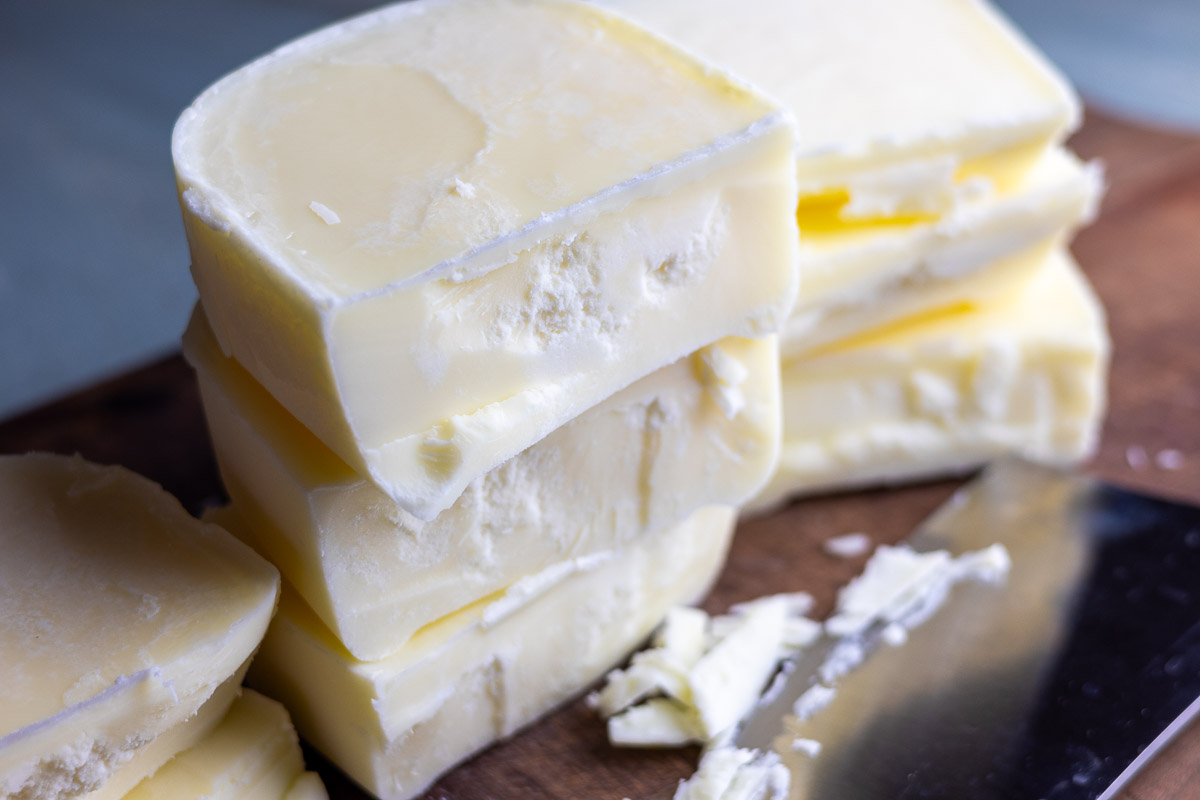
Once fully chilled, the fat will have hardened on top. Remove the fat layer and scrape or knife off any brown bits from the bottom. Discard the water.
Step 7: Repeat for a Cleaner Tallow
Melt the fat again with fresh salt water, then strain and chill overnight a second time. The tallow will be noticeably cleaner after this step.
You can repeat this process a third time if needed, but I usually find two rounds are enough.
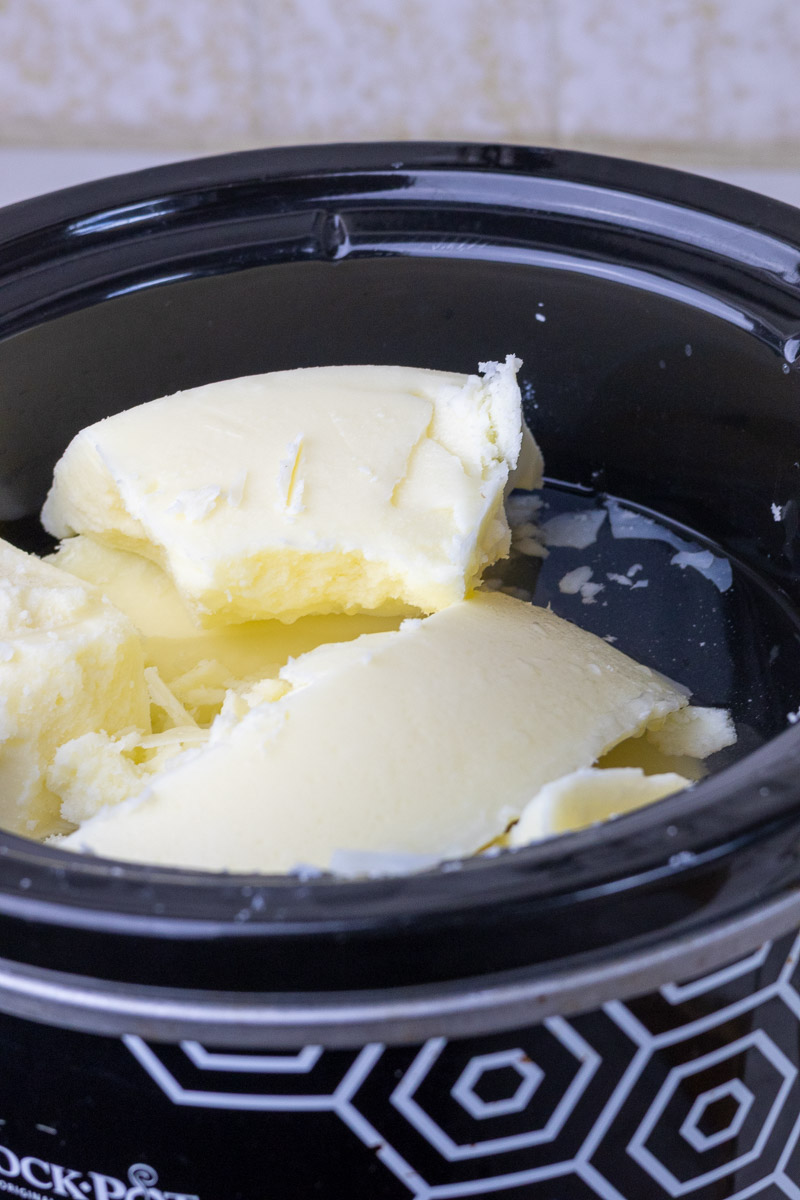
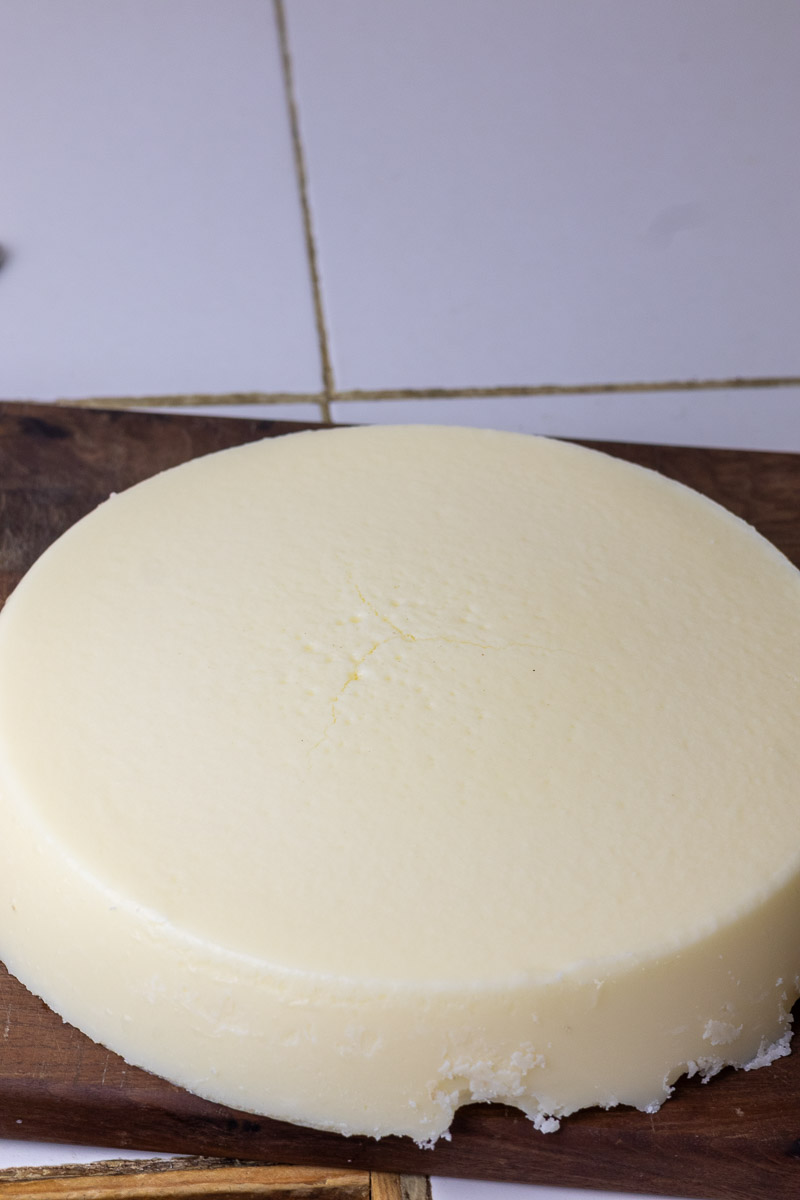
Step 8: Re-melt and Store Water-Free
Once you’re happy with the cleanliness of your tallow, melt it one final time (without water) for storage to ensure no water remains.
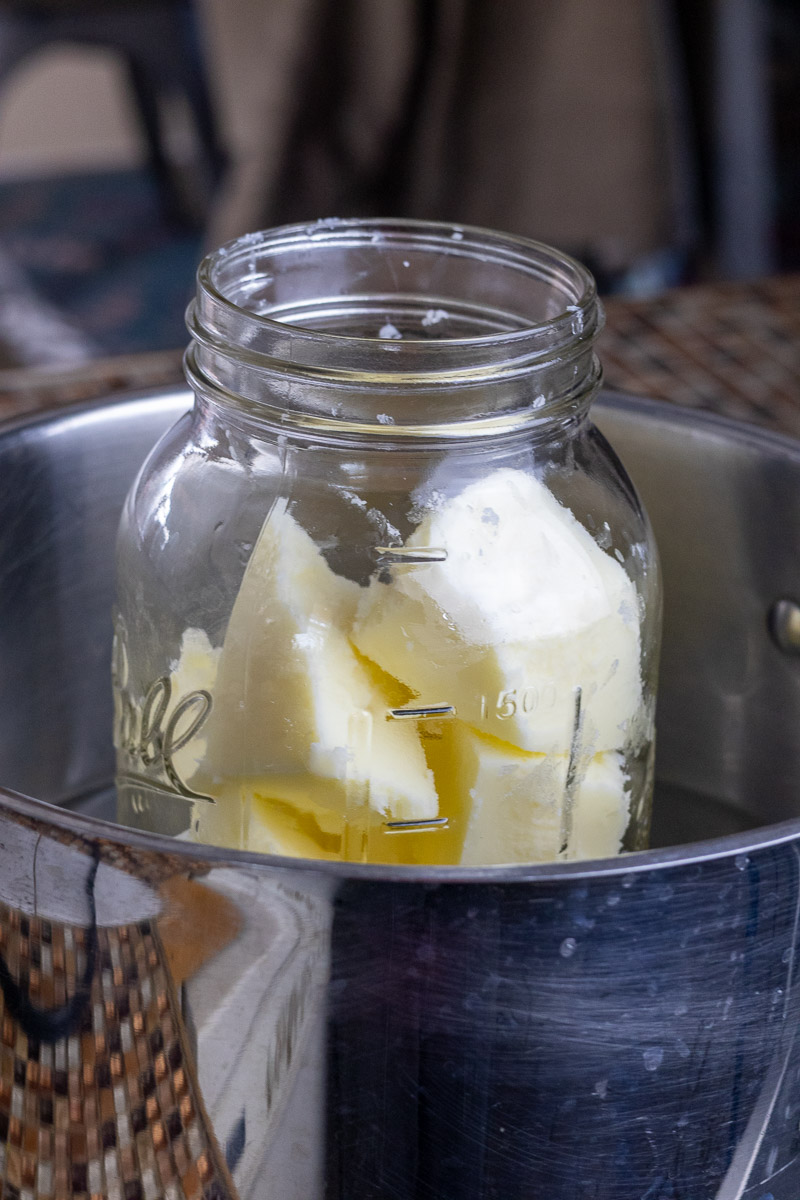
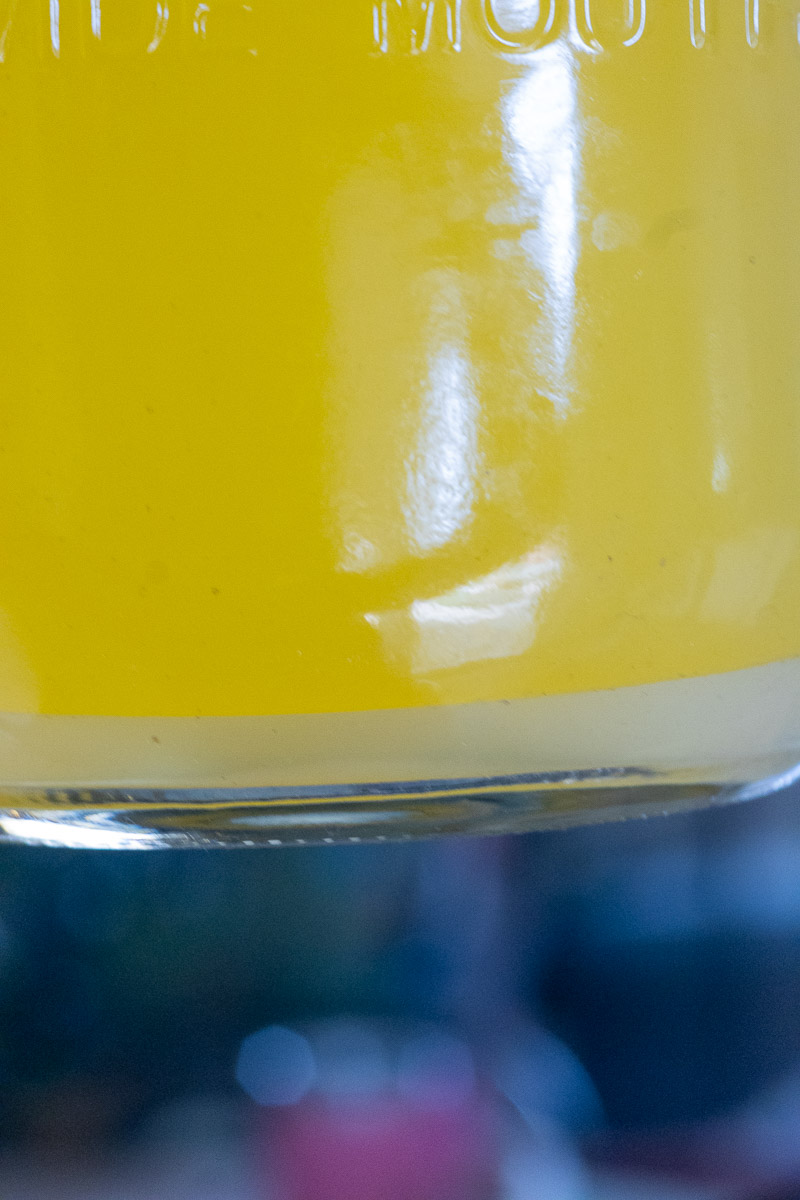
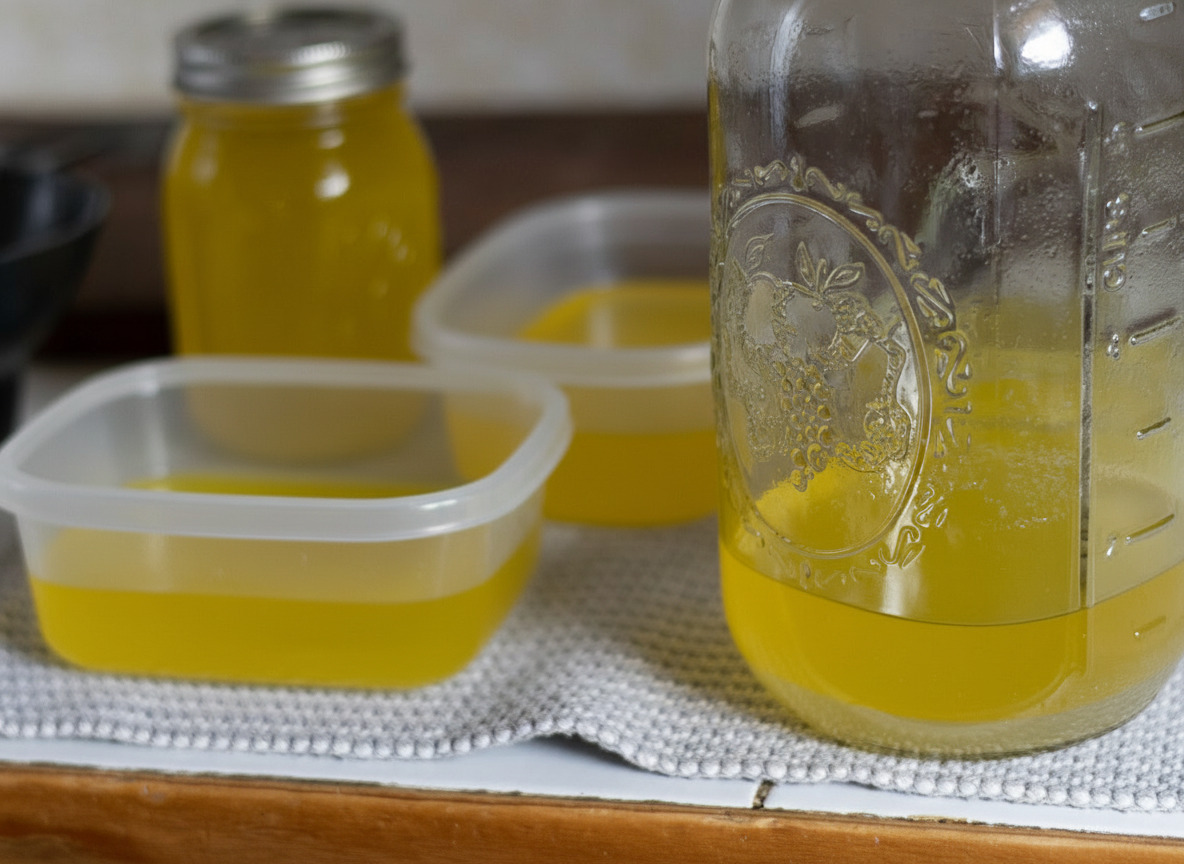
Do this by using a glass mason jar or large glass Pyrex in a double boiler setup. The fat will float on top while any remaining water sinks to the bottom, making it easy to see.
Important: Warm the fat gently in the double boiler. If the water in glass gets too hot, it can steam and create bubbles in the fat—this is ok. Once the fat is fully melted, remove the jar and let it settle on the counter until the fat is clear (you do not see bubbles) and the water has fully separated to the bottom of the jar.
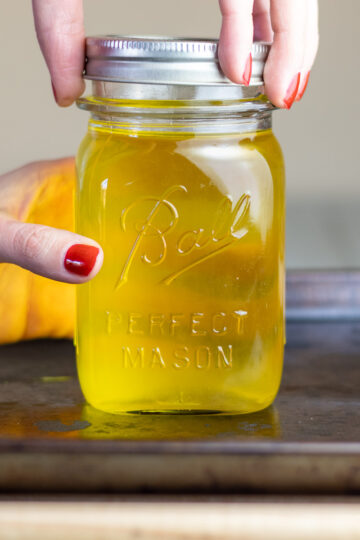
Carefully pour the fat into molds or pre-warmed jars stopping before the water layer. The stored tallow should contain no water.
Alternative method: Some people blot as much moisture as possible from the final tallow disk and leave it at room temperature for a few days to allow any remaining water to evaporate. The tallow is then melted one last time in a double boiler, taking care to watch for water as well.
Storage:
- Frozen tallow lasts years, room temperature tallow lasts months, and refrigeration gives the best longevity outside of freezing.
- Store in blocks (silicone or plastic molds) in the freezer.
- Wrap cooled tallow in plastic wrap and freezer paper, label, and freeze for long-term storage.
- Mason jars can be kept in a cool, dry place.
Tips for Wet Rendering Tallow
- Keep paper towels handy. Tallow rendered from suet cools very hard and is more difficult to clean than other oils. Wipe out as much as possible while it’s still warm, then wash with hot, soapy water.
- Beef fat trimmings also work. You can use this same process, but the finished tallow will be much softer than suet-rendered tallow. It’s usually better suited for cooking and frying than for body care or other crafts.
- Don’t rush the final water removal. If you’re unsure whether all the water is gone, gently melt the tallow one more time in a double boiler. When pouring, look for clear fat with no cloudiness or bubbles.
- Pre-weigh tallow for cooking and crafts. If you plan to use your tallow for soap, salves, or other projects with precise measurements, weigh it out ahead of time.
- Don’t waste the last bit. The remaining tallow with water underneath can be poured into a separate container. Use it soon for cooking, or freeze it and label it so it’s cooked with first.
- If you see mold, throw it out.
How to Use Wet Rendered Tallow
Wet-rendered tallow can be used anywhere you would use regular tallow. Some common uses include:
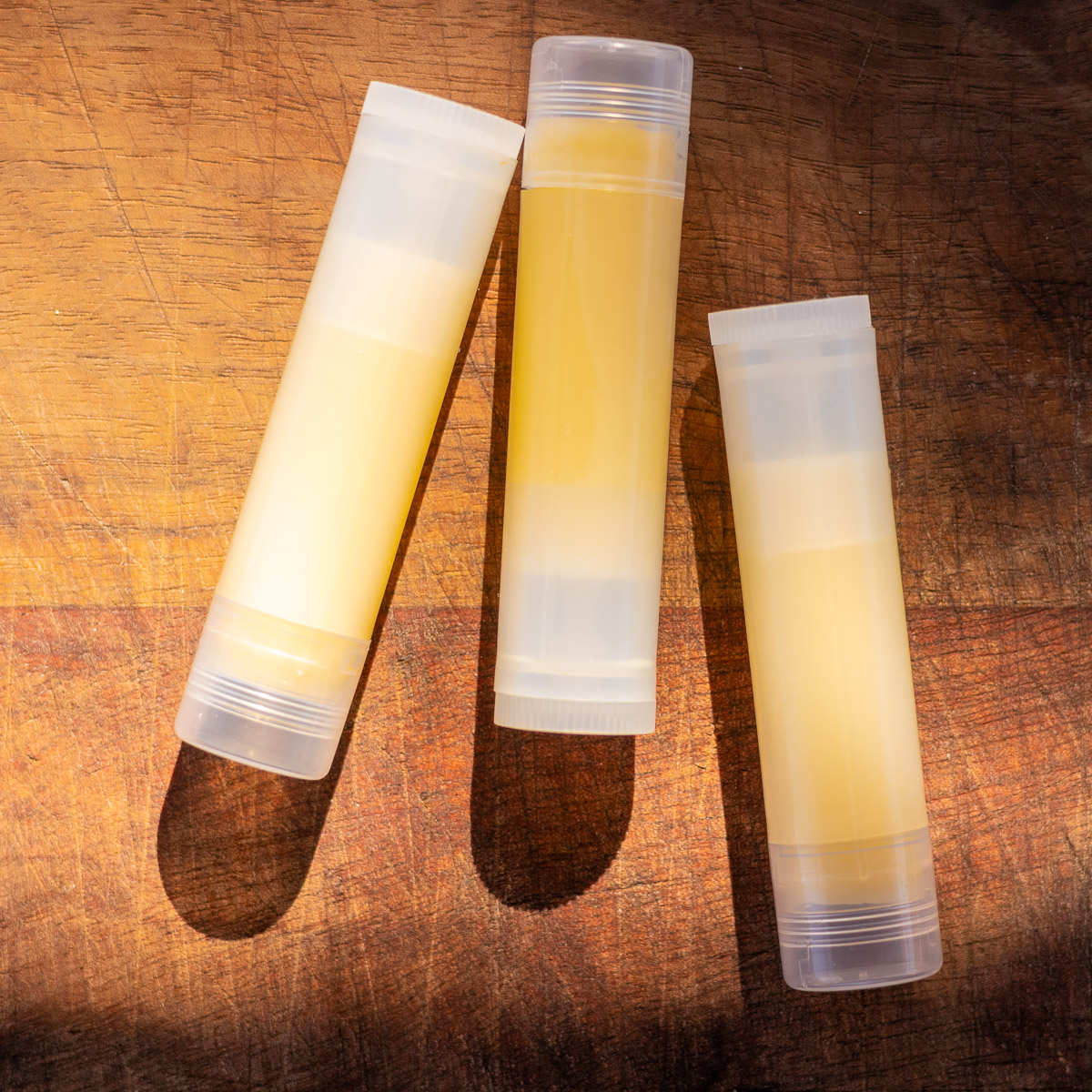
- Lip balm – Makes a moisturizing base for homemade lip balms.
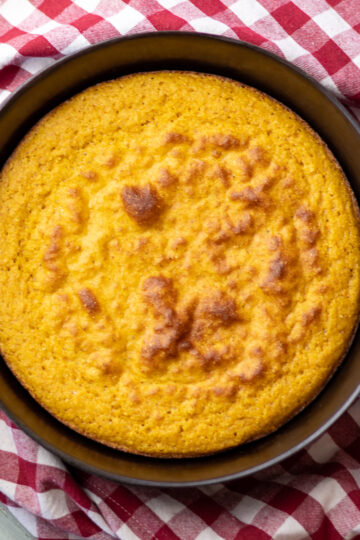
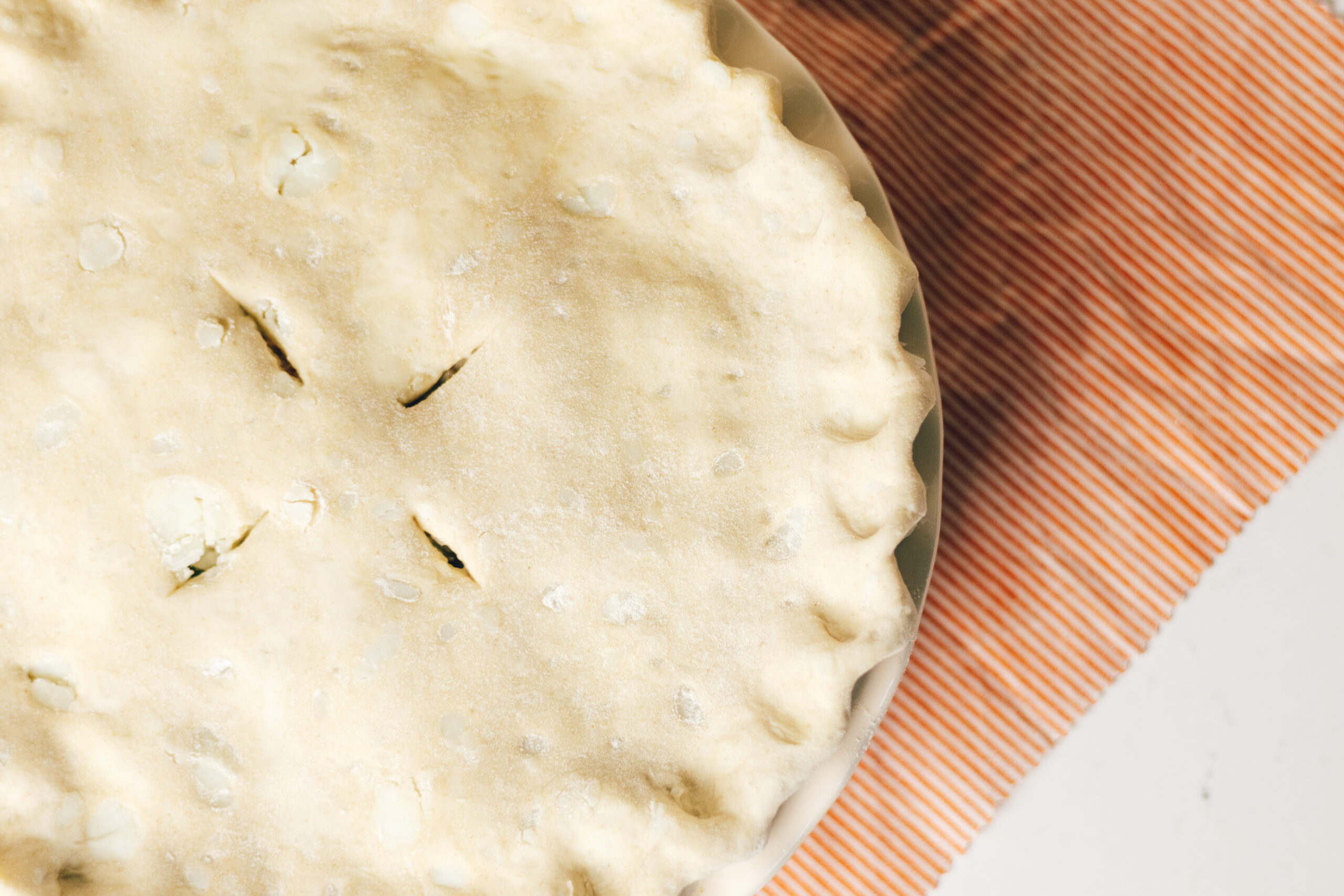
- Homemade pies and pastries – Produces a neutral-flavored, flaky crust.
- Soap – When combined with other oils, it helps keep the bar hard and long-lasting.
- Salves - A great base for infusing skin-loving herbs.
- Frying - Perfect for sautéing vegetables or making crispy home fries!
FAQ
Yes! Wet rendering works well for game fat and helps reduce strong or gamey scents.
It can take anywhere from 2-3 days. Longer if you decide to render a third time.
Use silicone spatulas to scrape out as much fat as possible while pouring. Wipe surfaces and tools with paper towels while the fat is still warm. Then wash everything with hot, soapy water and a sponge.
Related
How to Wet Render Tallow
Wet rendering tallow creates a fat that works well for both cooking and body care products. The end result is a creamy white, nearly odorless tallow that you'll be glad you took the time to make.
Materials
- 4–5 pounds beef suet
- 4 cups water
- 2 tablespoons salt
Tools
- Crockpot
- Immersion blender (optional)
- Fine mesh sieve
- Cheesecloth
- Ladle & silicone spatula
- Large heat-safe bowl- large enough to fit the strained fat/water mixture
- Mason jars or molds
Instructions
- Prepare the suet Cut suet into small chunks, removing membrane and any red or meaty bits as best you can.
- Load the crockpot Fill the crockpot with suet pieces. Add enough water to just cover the fat and stir in the salt.
- Render on HIGH Cover and cook on HIGH for about 2 hours, until the suet is very soft.
- Blend (optional) Carefully use an immersion blender to break up the softened suet. Keep the blender low to avoid splattering hot fat.
- Continue rendering Cook another 4–5 hours, until the fat is fully rendered and solids are separated.
- Strain Turn off the crockpot. Ladle and strain the hot mixture through a fine mesh sieve and cheesecloth into a large bowl.
- Chill and separate Let cool slightly, then refrigerate overnight. Remove the hardened fat, scrape off any brown bits, and discard the water.
- Repeat Melt the fat again with fresh salted water and repeat the chilling process at least once more for cleaner tallow.
- Final melt and store Gently melt the clean fat in a double boiler. Pour only the clear fat into jars or molds, leaving any water behind.
- Cool and store Let cool completely. Store in labeled jars in a cool, dry place or freeze for long-term storage.
Notes
- Keep paper towels handy. Tallow rendered from suet cools very hard and is more difficult to clean than other oils. Wipe out as much as possible while it’s still warm, then wash with hot, soapy water.
- Beef fat trimmings also work. You can use this same process, but the finished tallow will be much softer than suet-rendered tallow. It’s usually better suited for cooking and frying than for body care or other crafts.
- Don’t rush the final water removal. If you’re unsure whether all the water is gone, gently melt the tallow one more time in a double boiler. When pouring, look for clear fat with no cloudiness or bubbles.
- Pre-weigh tallow for cooking and crafts. If you plan to use your tallow for soap, salves, or other projects with precise measurements, weigh it out ahead of time.
- Don’t waste the last bit. The remaining tallow with water underneath can be poured into a separate container. Use it soon for cooking, or freeze it and label it so it’s cooked with first.
- If you see mold, throw it out.
Comments
No Comments